Electronics & Telecommunication Engineering
Overview
B.E. degree program in Telecommunication Engineering at SIT commenced in the academic year 2000-01 and it has been renamed as Electronics and Telecommunication Engineering from the year 2019-20. National Board of Accreditation (NBA) has accredited the Department four times in the year 2007, 2013, 2020 and 2023 for three years, valid till June-2026.
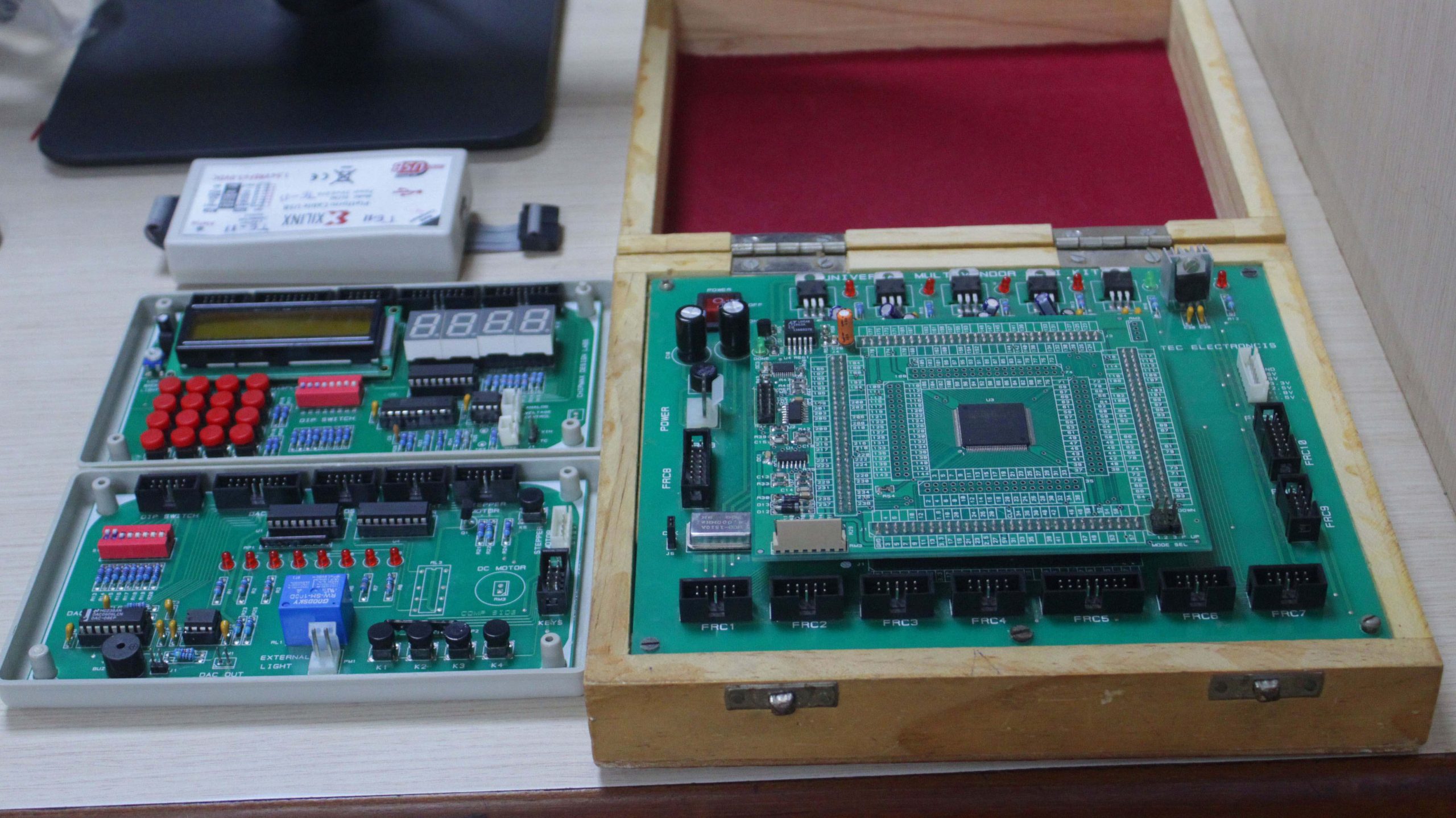
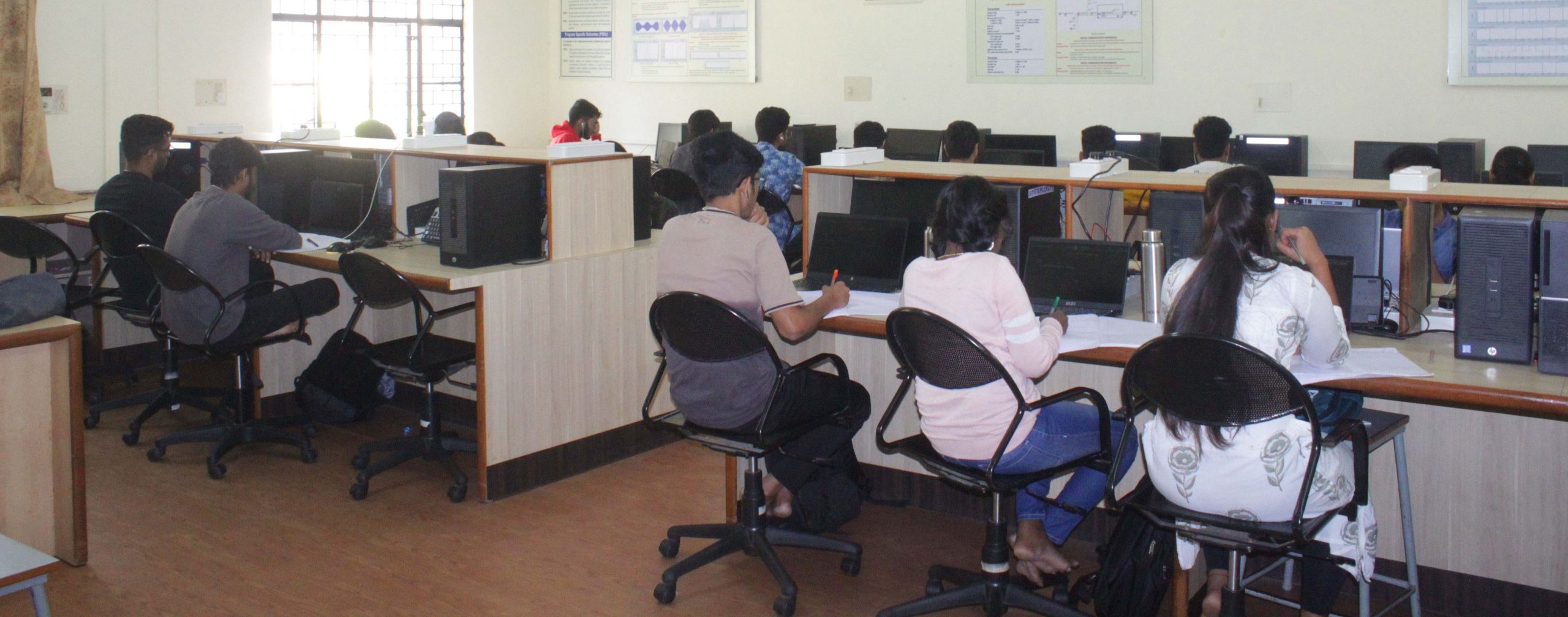
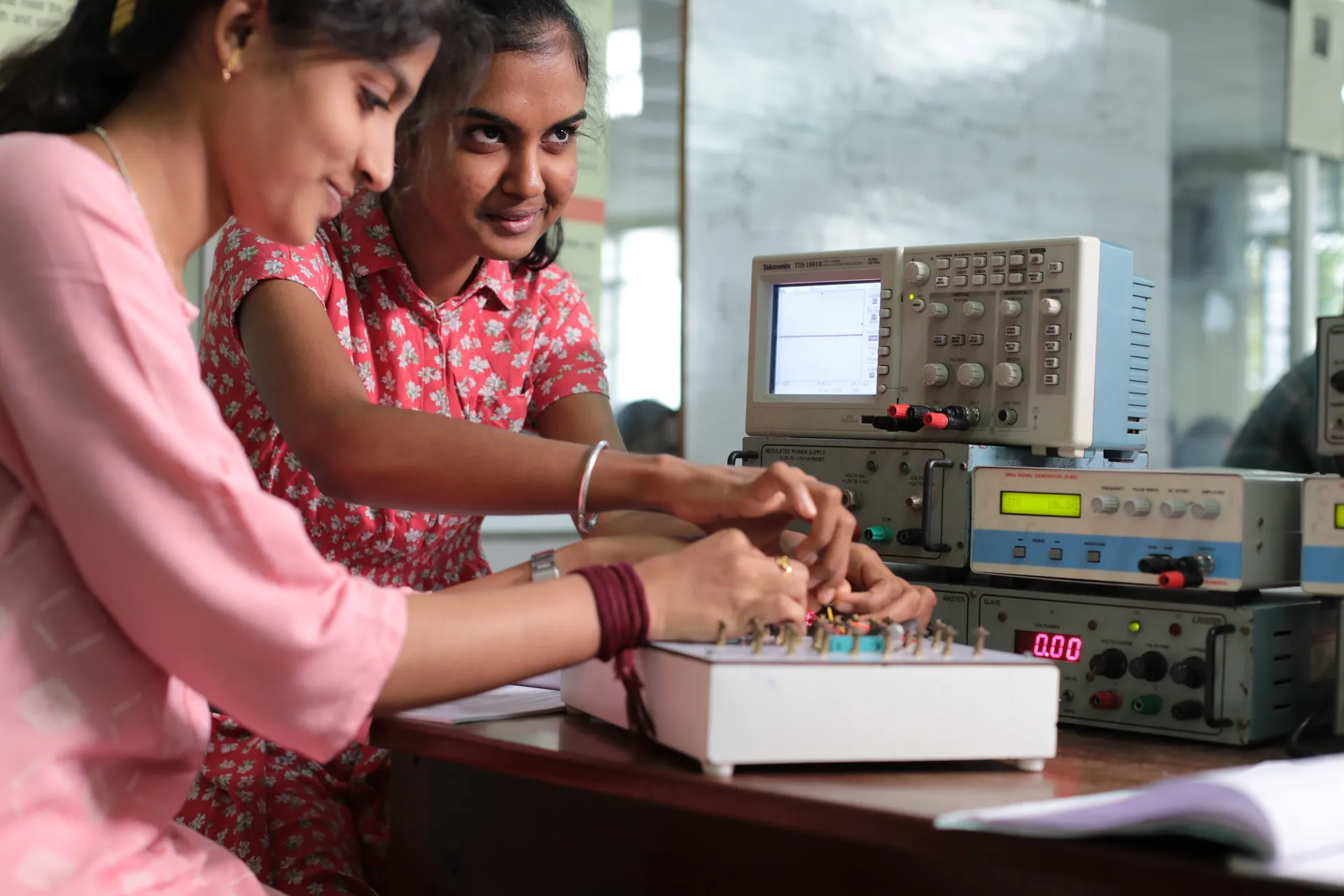
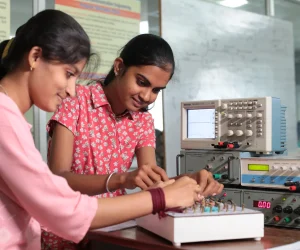
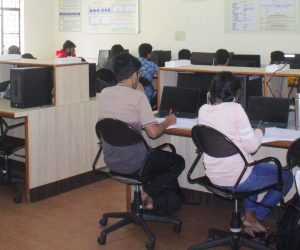
The department has well-equipped laboratories in the areas of Communication, Signal Processing, VHDL, Microprocessors, etc. Students graduated from the department are well placed in India and abroad. Quite a few of them have pursued higher studies both in India and abroad. The students of the department have bagged three VTU ranks from 2000 – 2007.
The department started with an intake of 60 (60 + 6 lateral) students for UG programme, B.E., in Electronics and Telecommunication Engineering. The department has also been recognized as research center by the VTU from 2011. Currently, 6 research scholars are pursuing their Ph.D.
The department is functioning with 13 teaching faculty members including 2 Professors, 3 Associate Professors, 8 Assistant Professors and 6 technical support staff members. The department has 13 Ph.D. (IITKGP-1,IITG-1,IISC-5, NITK-4, IITHYD-1, VTU-1).
Program Details
Undergraduate Program:
B.E. in Electronics & Telecommunication Engineering
Duration: 4-year
Program that provides students with a strong foundation in communication systems, embedded systems, signal processing, VLSI design, and networking, preparing them for careers in telecommunications, semiconductor industries, and embedded technology.
- A specialized program that enhances expertise in cutting-edge areas such as wireless communication, IoT, digital signal processing, embedded systems, and RF & microwave engineering.
Ph.D.
- Research opportunities in advanced areas like 5G/6G communication, AI in telecommunications, , VLSI & semiconductor technologies, Image Processing, Optical Communication, Antenna Design, Wireless Communication, satellite communicationand next-generation networking.
Vision & Mission
Vision
“To become center of excellence in Electronics & Telecommunication Engineering and empower graduates to take up global challenges in emerging areas to harness technological competence while harmoniously blending with spiritual pursuits.”
Mission
- To provide best learning experience for students through excellent curriculum, industry collaboration and innovative teaching learning processes.
engineering problems. - To create good academic ambience for faculty and students by establishing high-quality R & D labs leading to quality research in Electronics & Telecommunication Engineering and allied disciplines.
- To prepare graduates with technological competence, necessary professional skills and ethics.
Student Life & Activities
- Student Clubs: Active clubs such as IEEE Students chapter, IEEE Photonics ComSoc, and Robotics Club, where students collaborate on projects and attend technical sessions
- Workshops & Seminars: Opportunities to learn from industry experts during the annual event Technisium under electrical sciencesand conference ICSSES in emerging areas.
- Hackathons & Design Challenges: Regular competitions focusing on circuit design, embedded programming, and signal processing applications inreal time.
Infrastructure & Facilities
The Electronics & Telecommunication Engineering department is equipped with cutting-edge facilities to support research and learning:
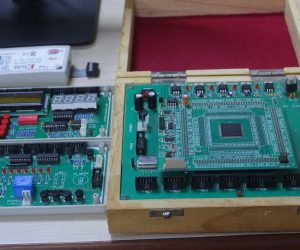
- Innovation Labs: Dedicated spaces for research in 5G technology, IoT, VLSI design, and embedded systems software used Keil Microvision -4, Xilinx 14.7
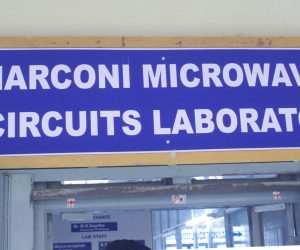
- High-Tech Electronics Labs: Equipped with state-of-the-art hardware and software tools for signal & image processing, microcontrollers, and RF microwave communication.
- Advanced Software Environments: Provides access to specialized platforms for MATLAB, Simulink, FPGA design, AWR Environment design, IE3D Simulation Tool, NI LabView Simulation Tool and Digilent Waveform Tool
- Telecommunication & Networking Facilities: Hands-on labs for wireless communication, optical fibre networks, satellite communication, CISCO-CCNA, Data Structure & Algorithm certifications
- IoT & Embedded Systems Labs: Real-world exposure to sensor networks, automation, and microprocessor-based system design.
- Remote Access & Virtual Labs: Enables students to conduct simulations and hardware experiments remotely, ensuring flexible learning opportunities.

Faculty
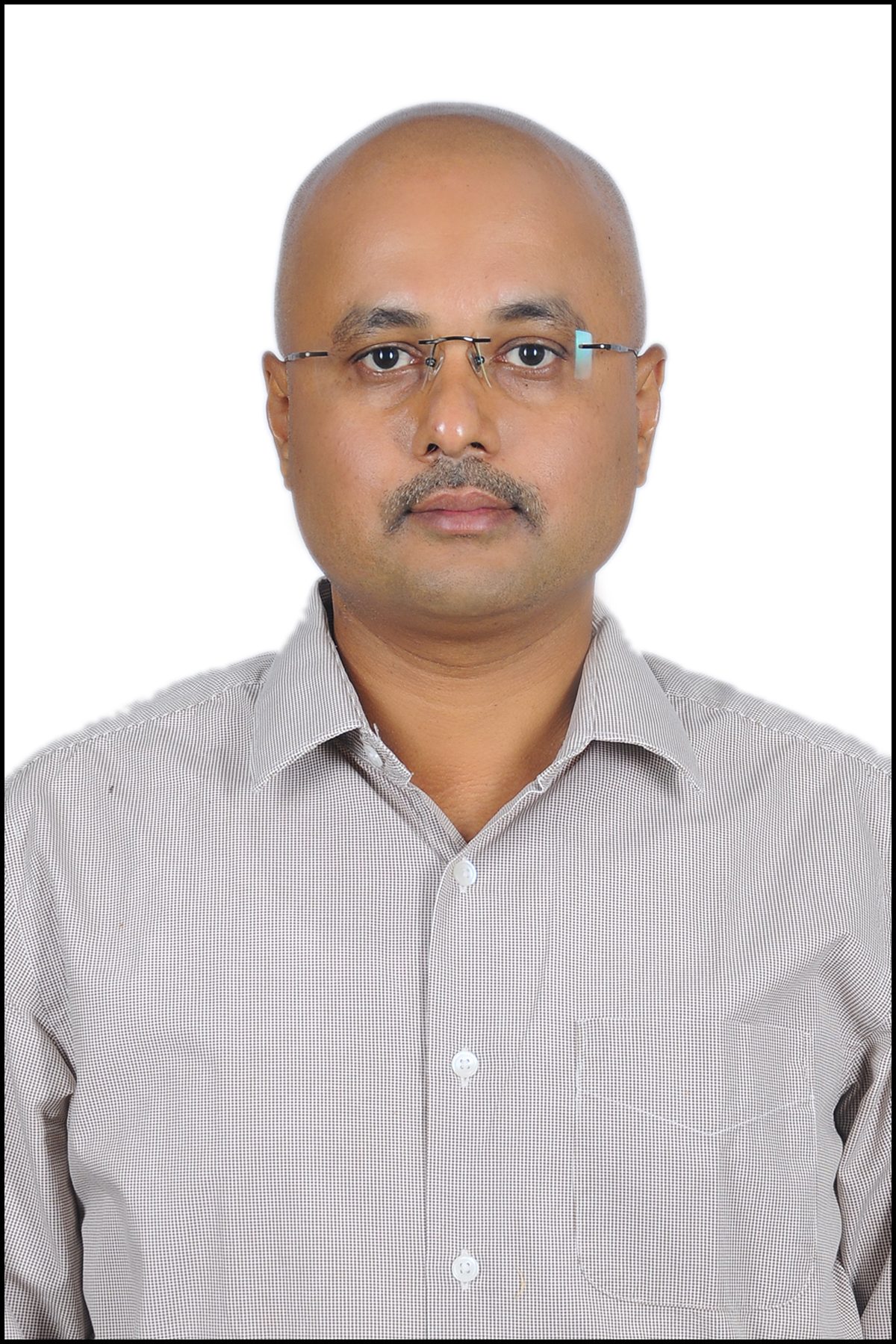
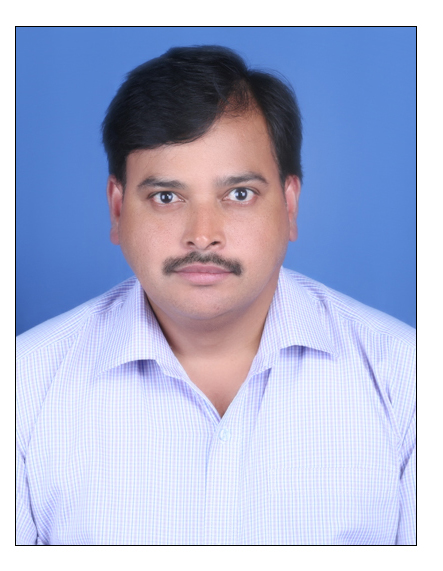
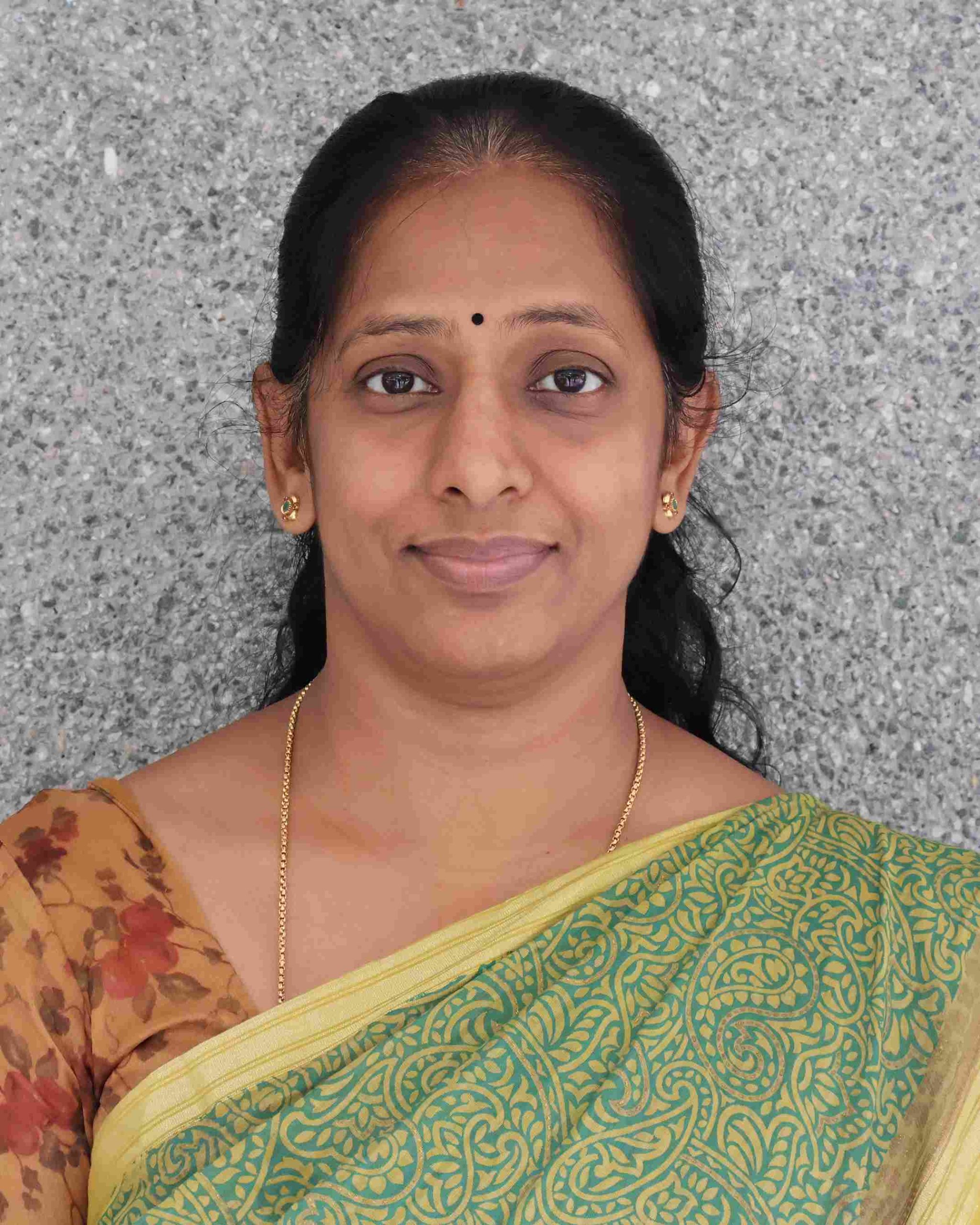
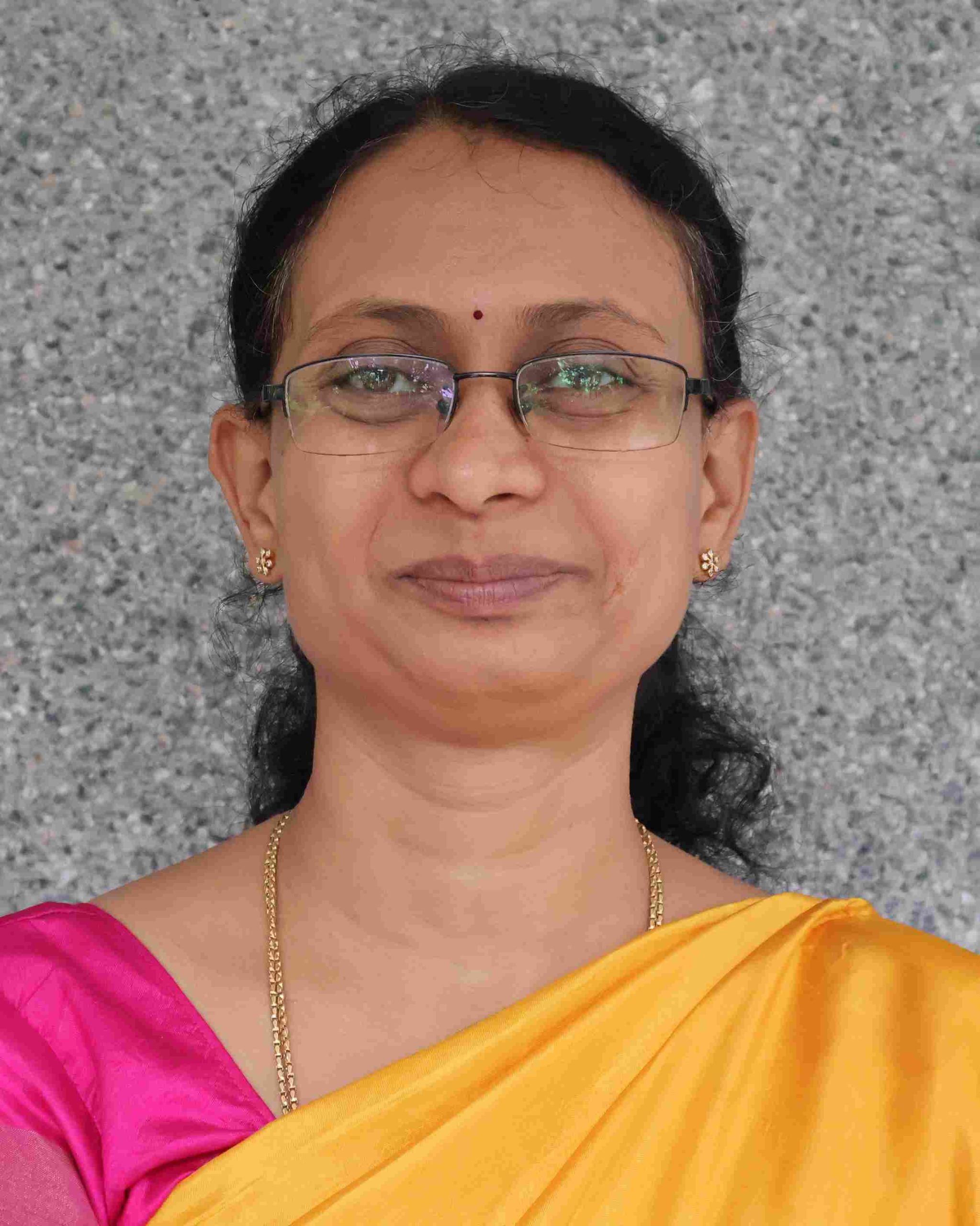
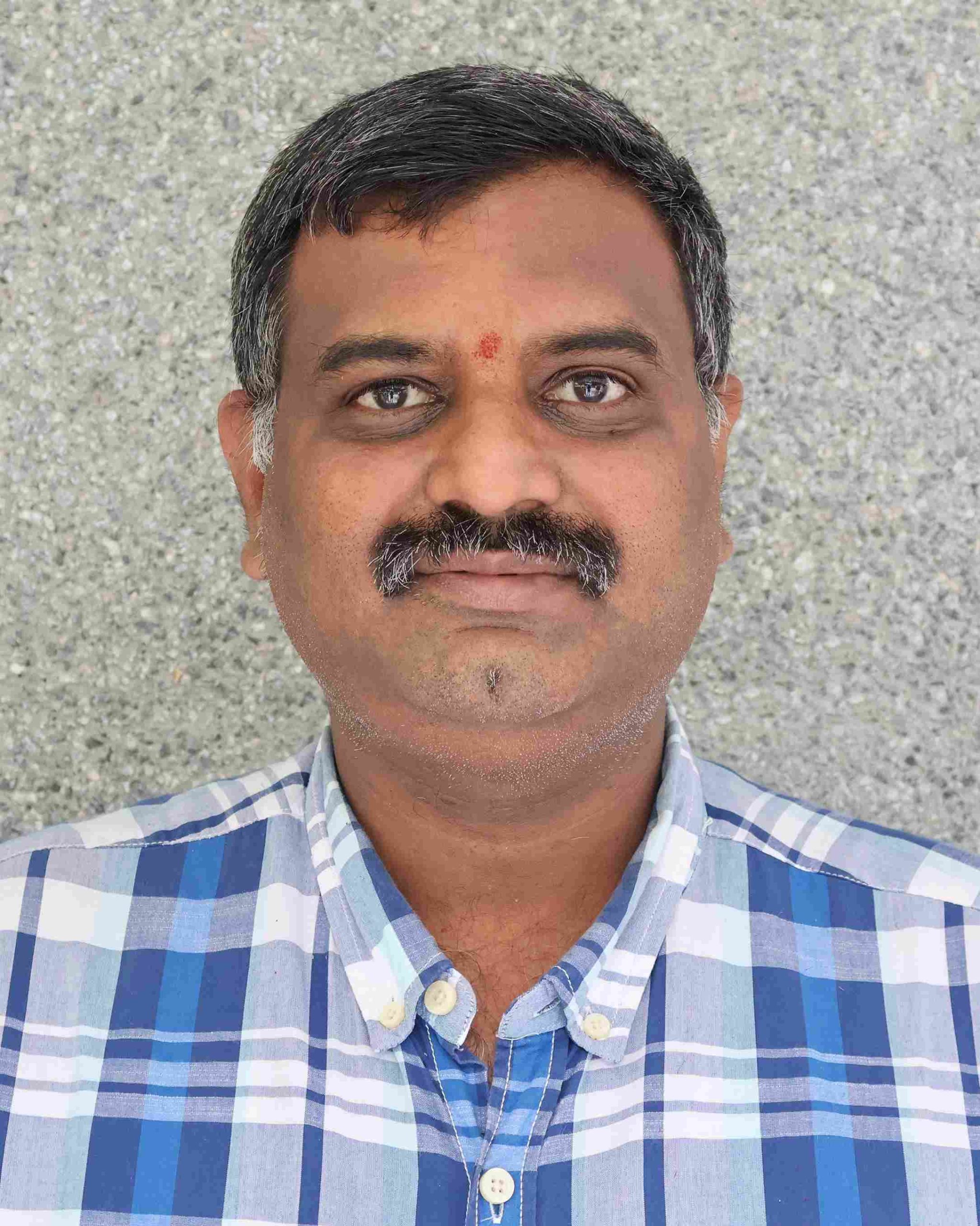
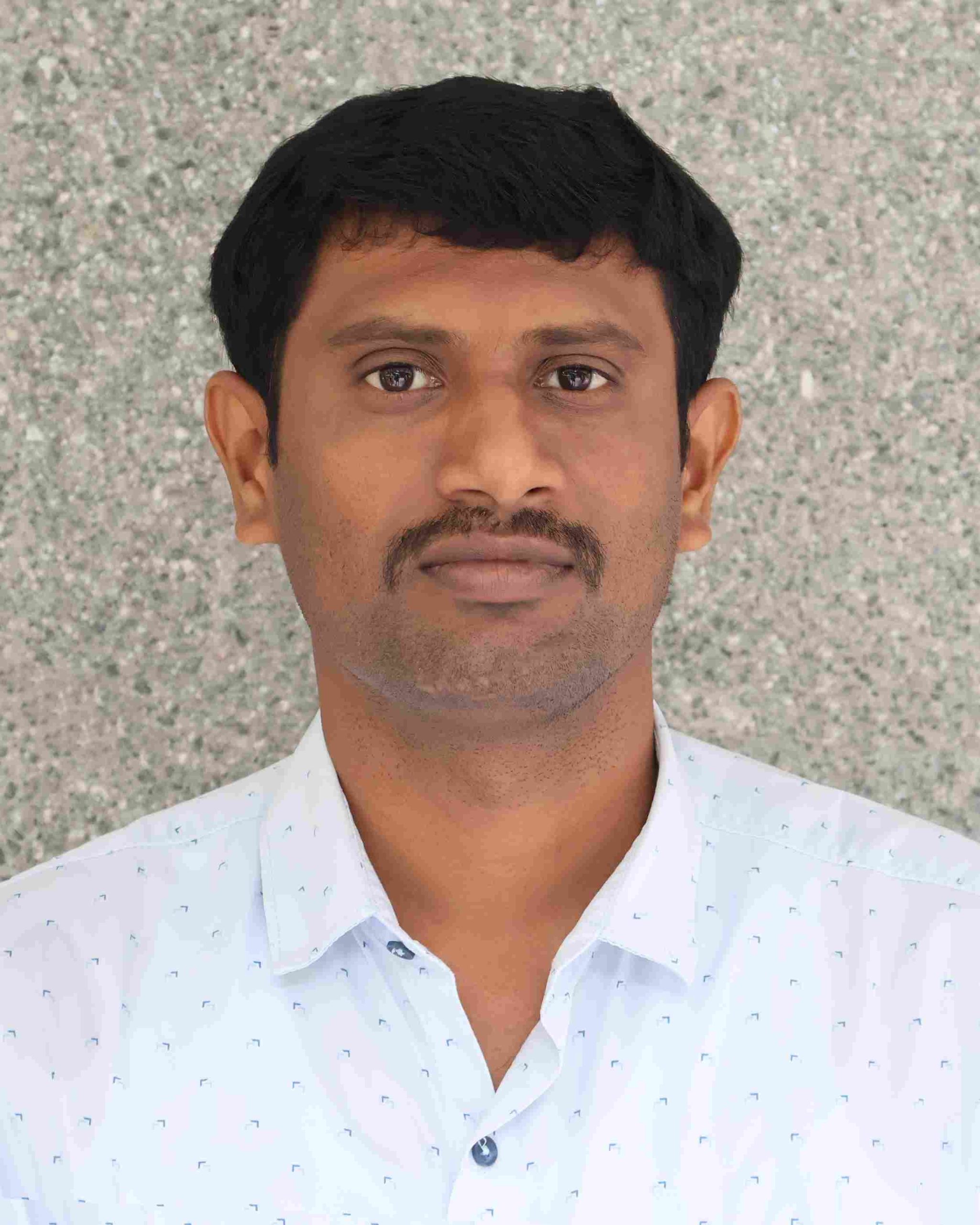
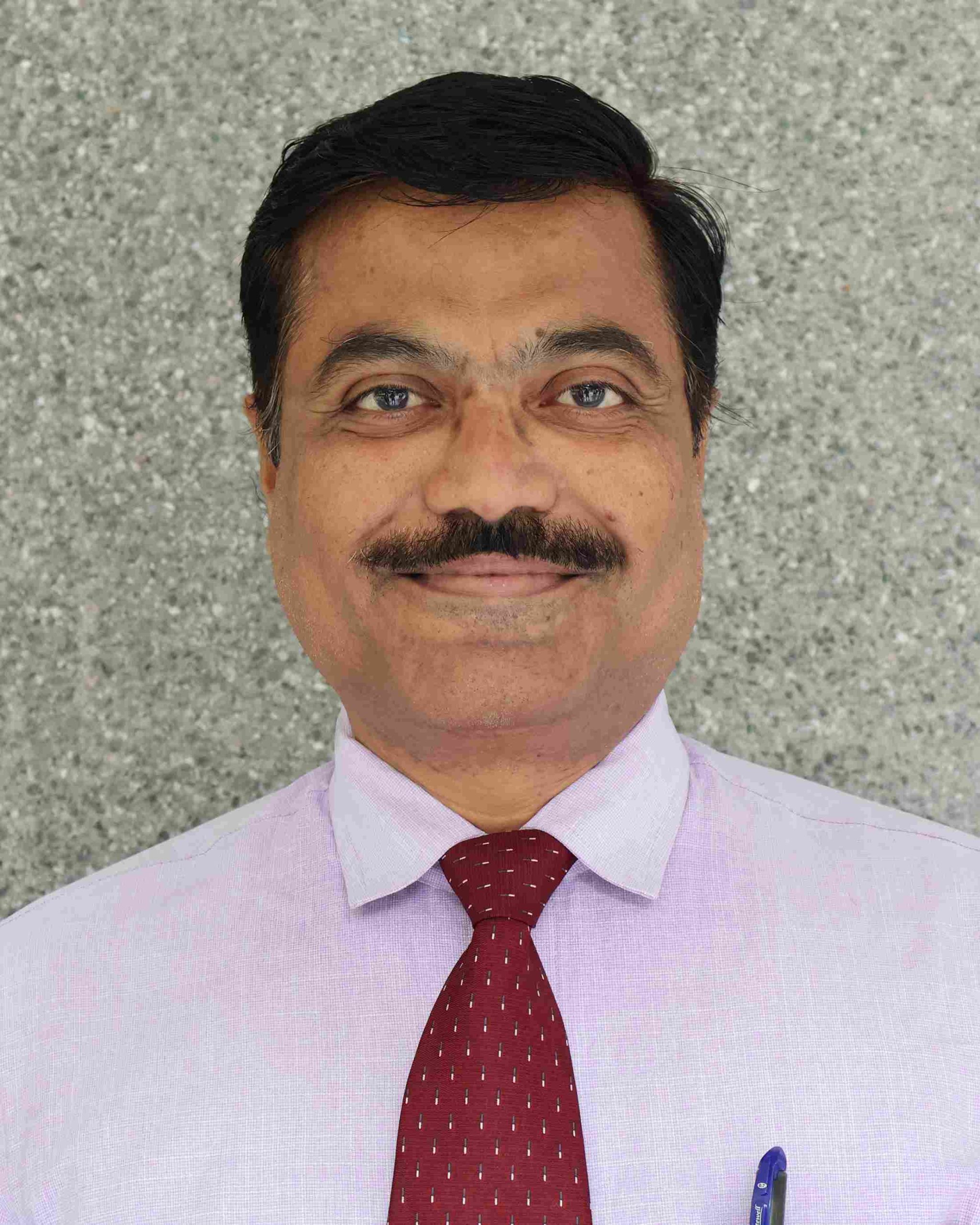
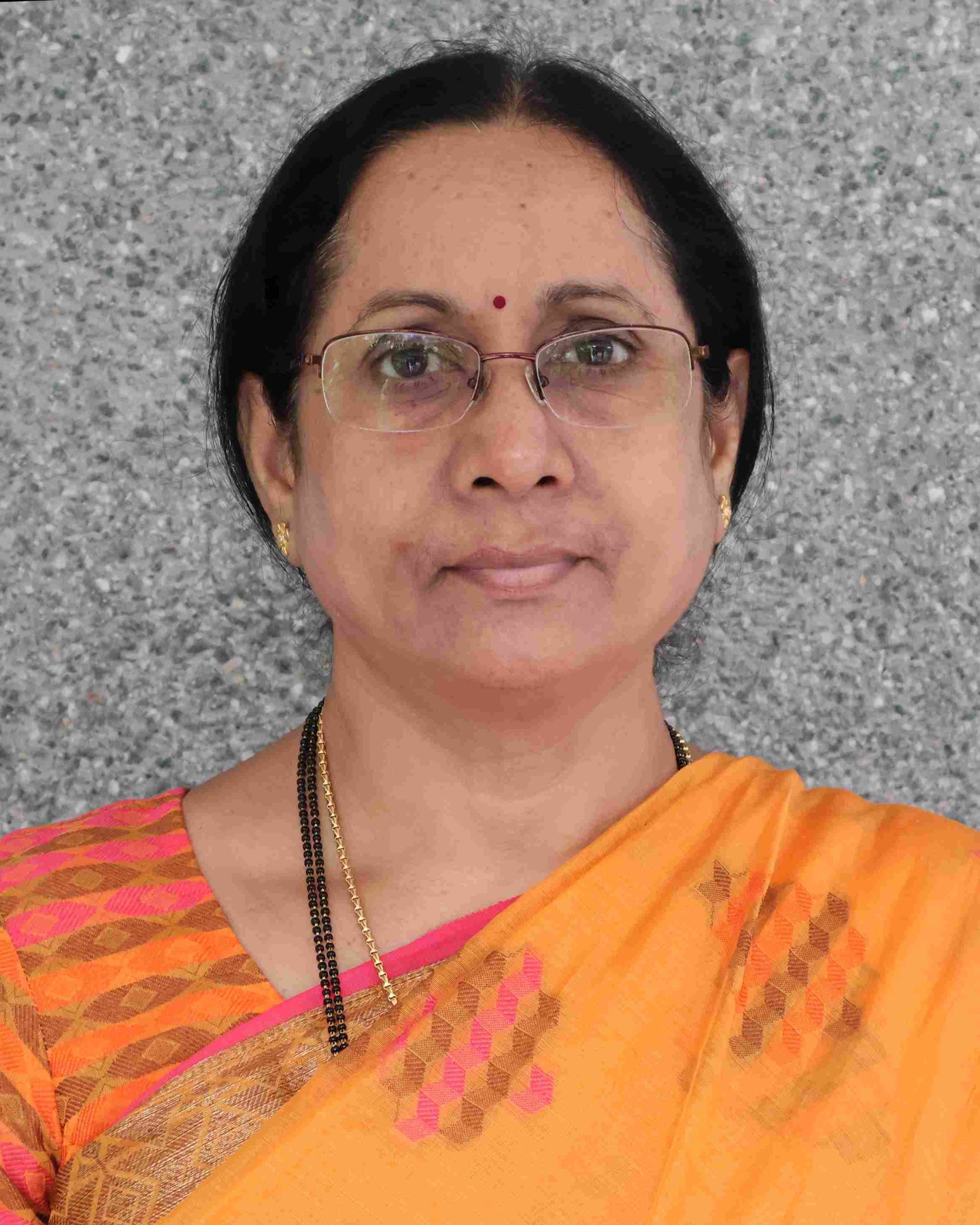
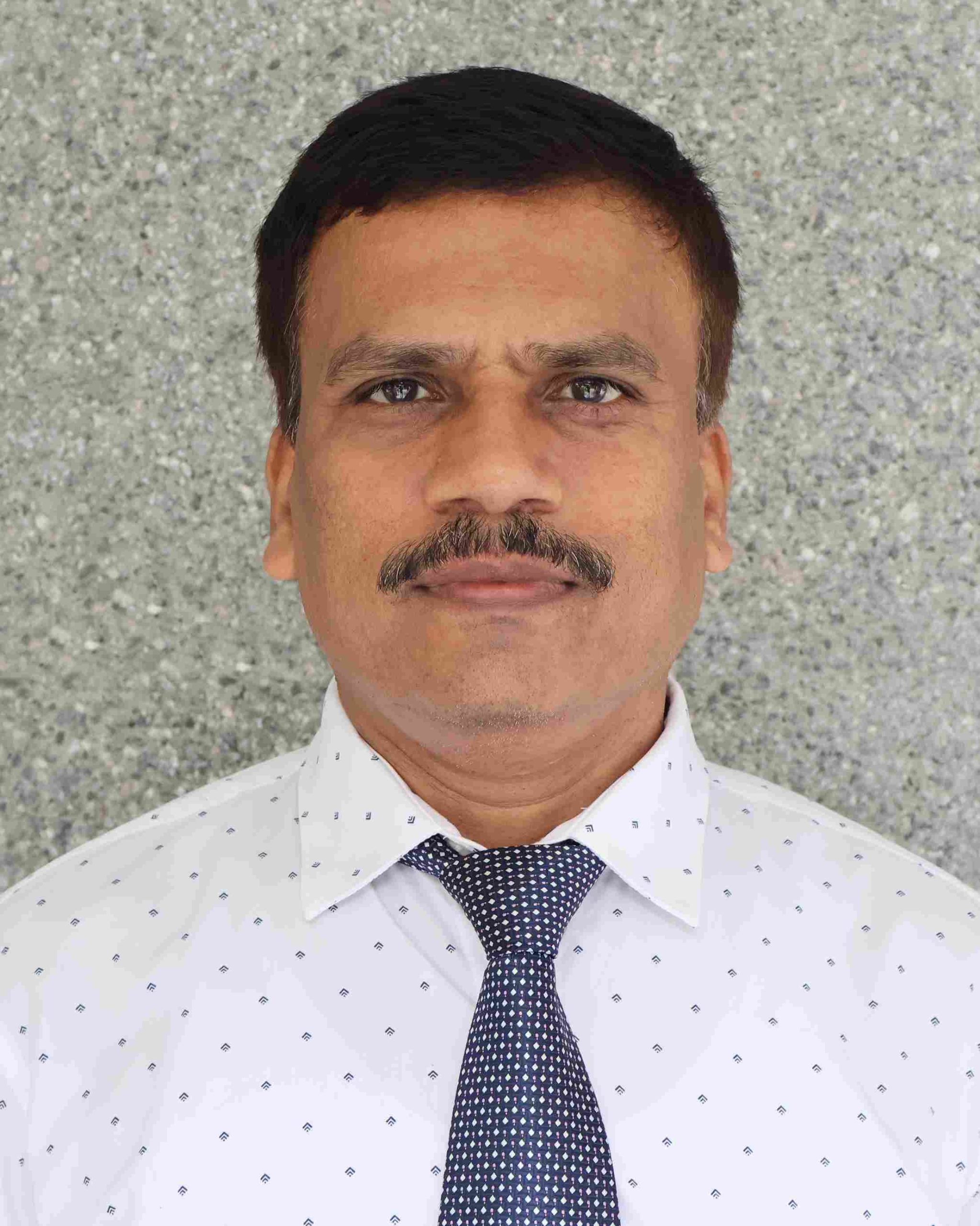
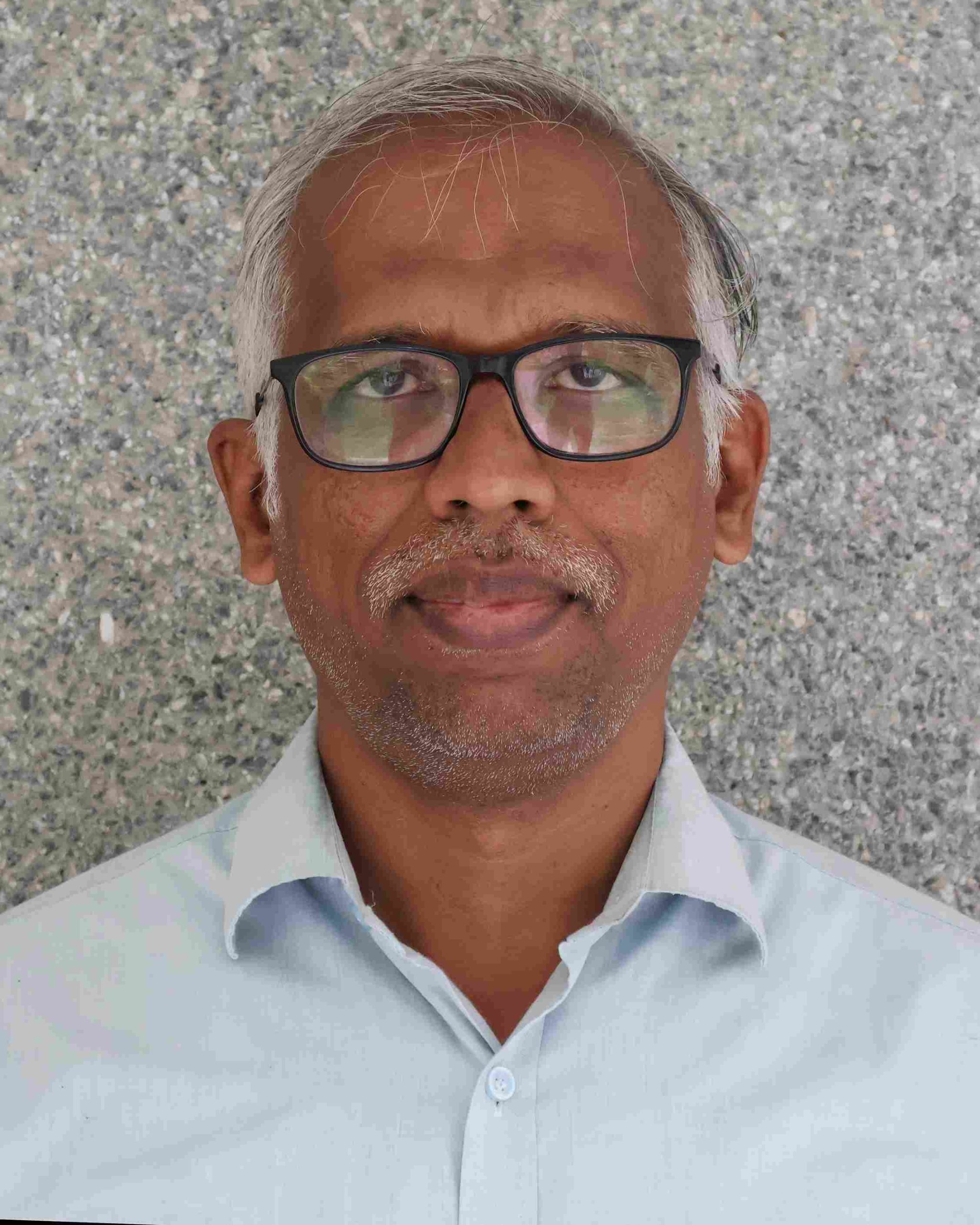
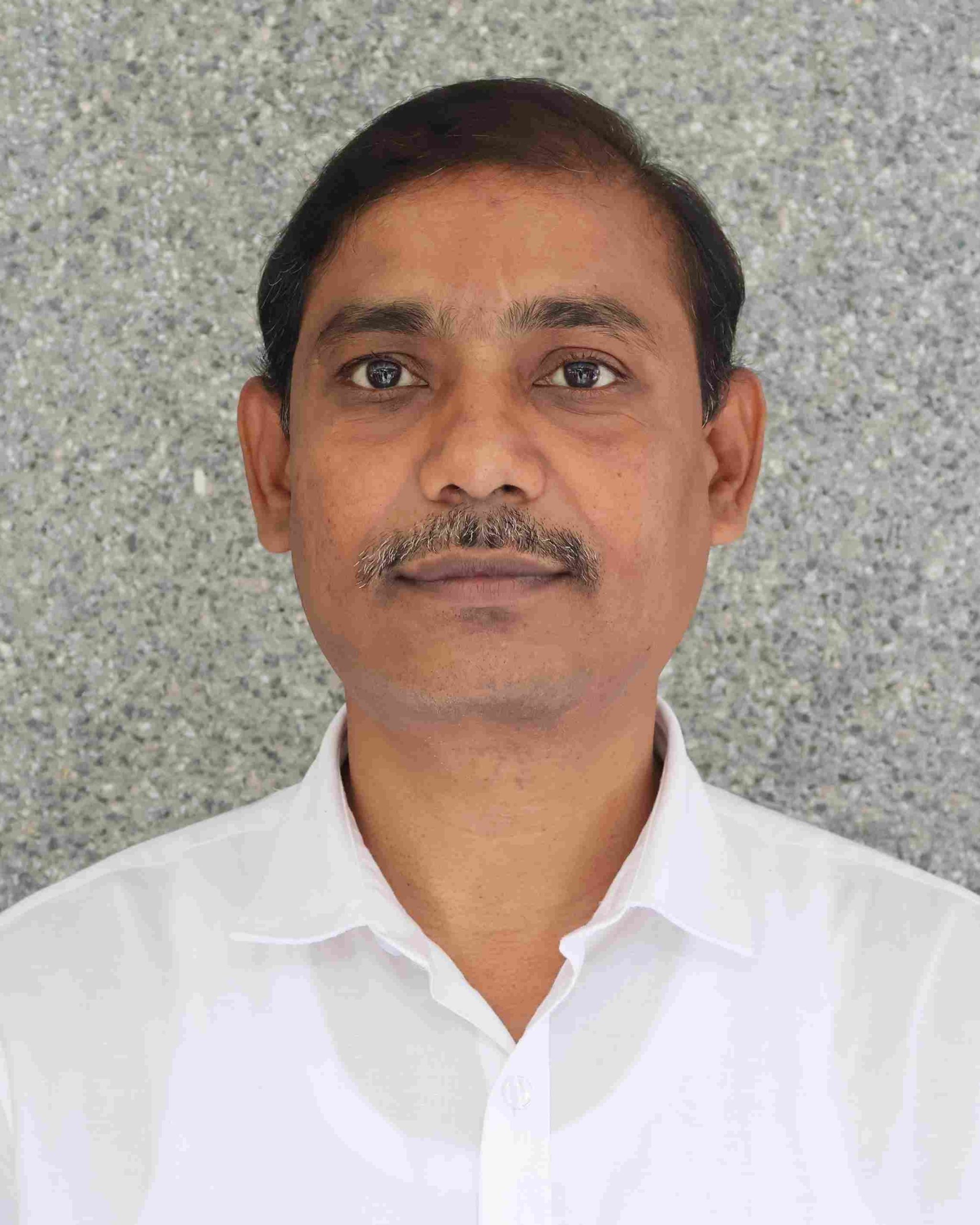
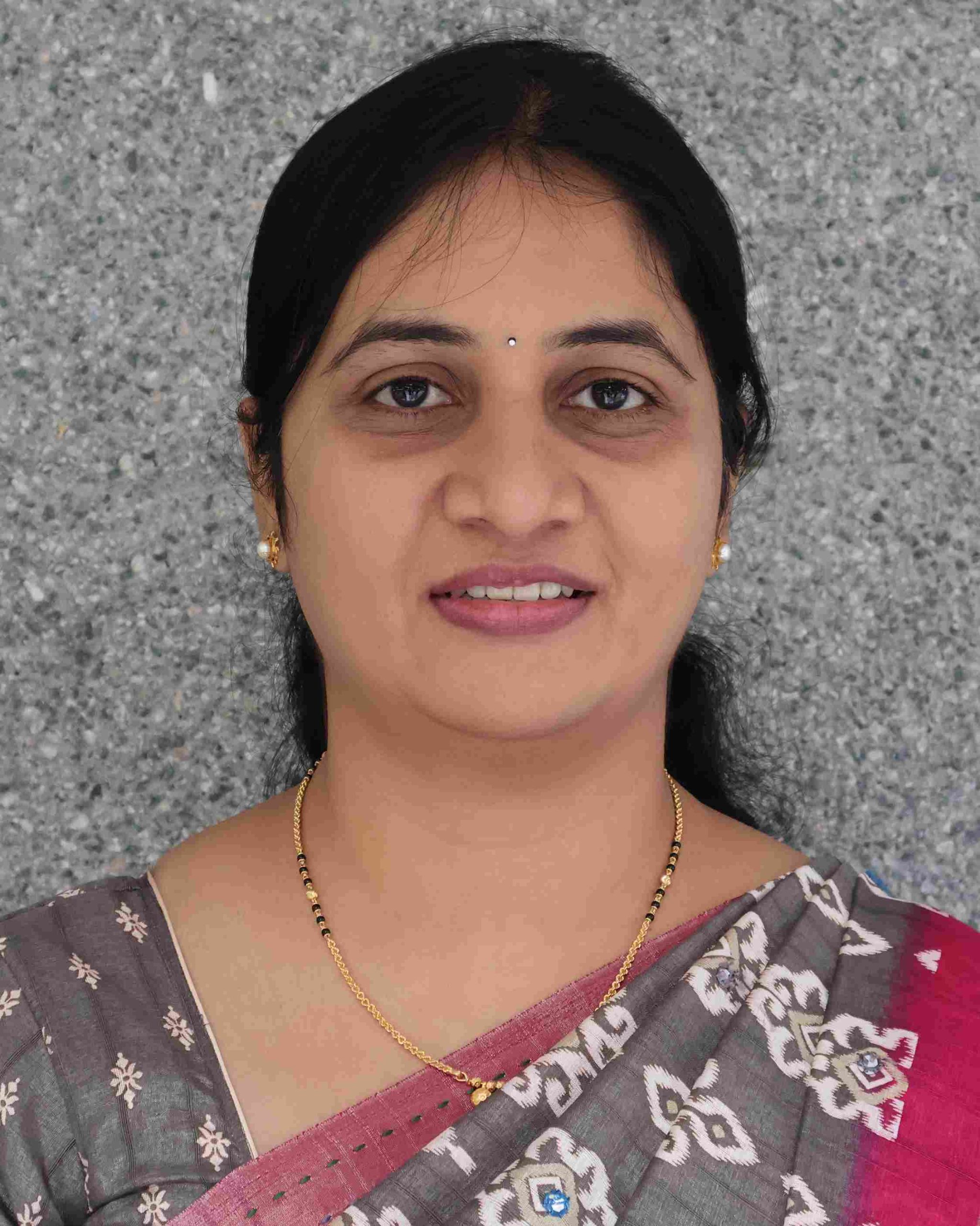
The department has a team of highly qualified and experienced faculty members specializing in areas such as wireless communication, signal processing, VLSI design, embedded systems, and optical fiber technology. Faculty members actively engage in research, industry collaborations, and consultancy projects.

Academic Programs & Syllabus
Undergraduate Program:
- B.E. in Electronics & Telecommunication Engineering – A robust 4-year program covering all aspects of electronic systems, communication networks, and signal processing.
A program designed to deepen knowledge and skills in advanced communication systems, embedded technologies, and VLSI design.
Ph.D. Program:
Research opportunities in various fields, including wireless communication, signal processing, IoT, semiconductor technology, and next-generation networks.
Syllabus
Program Educational Objectives (PEOs) - UG
The graduates of Electronics & Telecommunication Engineering are able to:
- Build successful careers in industry, R&D Labs by applying mathematical, scientific and state-of-the-art Engineering knowledge with multidisciplinary approaches to solve real world problems in the fields of Telecommunication Engineering and allied disciplines.
- Pursue higher education by lifelong learning in the areas of Electronics & Telecommunication Engineeringand allied disciplines.
- Display professional and ethical attitude, spiritual valueswith effective communication skills and leadership qualities.
Program Outcomes (POs) - UG
Program Outcomes (POs):
1: Engineering Knowledge, 2: Problem analysis, 3: design/development of solutions, 4: conduct investigations of complex problems, 5: Engineering tool usage, 6: The engineer and The world, 7: Ethics, 8: Individual and Collaborative team work, 9: communication, 10: project management and finance, 11: Life-Long learning
PROGRAM SPECIFIC OUTCOMES (PSOs):
- Apply and analyze the concepts of circuits and systems for real time challenges in the areas of electronic circuits, signal processing, VLSI/Embedded and IoT Systems.
- Identify, design and develop solutions for complex engineering problems related to, wired, wireless, or Optical communication systems, Security using analytical techniques, AI, state of the art simulation tools and hardware.
Industry Collaboration & Placement
The Department of Electronics & Telecommunication Engineering has strong industry partnerships, offering students internship and job placement opportunities at top companies such as:
- Qualcomm, Intel, Texas Instruments, Nokia, Ericsson, Cisco, Samsung, Bosch, TCS, Wipro, Infosys, and others.
- Over 70% of graduates secure placements in leading telecom, semiconductor, and IT companies, while 30% pursue higher studies, research, or entrepreneurship in emerging fields like 5G, IoT, VLSI, and AI-driven communication systems.
Achievements & Recognition
The department has consistently produced top-performing students, with many securing positions in leading telecom, semiconductor, and IT companies.
Faculty and students regularly publish research papers in reputed international journals and conferences.
Recognized as one of the best Electronics & Telecommunication Engineering departments in the region.
Alumni Success
• 2004, Uma Shivakumaraiah, Technical Program Manager at British Telecom, Bengaluru
• 2005, Shruti Kumari, VP – RISK Program Management at Citi | IIMB | IPADE Mexico | Data/Cloud Analytics | Digital Transformation
• 2007, Chethana Hiremut Y S, Associate Director, Issuing Business, Pine Labs, Bengaluru
• 2008
Noha Sinha Senior Associate Director HR, Simplilearn
• 2009
B A Pramod Reddy Founder @ Agrichip Innovation
• 2012:
• Abhishek Kedia, Senior Manager, American Express Mumbai, Maharashtra, India
• Sriharsha Kuchimanchi. International Cricket Umpire, Finland 11 Consultant, TV Co Analytics || Software Tester, Hyderabad, Telangana, India
• Gurunath Reddy M, Senior Al Scientist at GE Healthcare, Bangalore
• 2013,
Dr. Sudhanva Vasistha (UTD, USA), Analog IC Design Engineer | Low Power ADC, INTEL, Hillsboro, \
Oregon, United States
Pranav Nath Das Certified SAFe® 6 Product Owner/Product Manager | Senior Software Engineer at CARIAD
• 2020, Amrutha M, Security VPN Technical Consulting Engineer, CISCO, Bangalore.
• 2022, Sri Gowri S, Associate Software Engineer @Scientific Games, Bengaluru
• 2023, Subramanya Navada K R, Assoc @ JPMC, Bengaluru, Karnataka, India
Admissions
The B.E. in Electronics & Telecommunication Engineering program admits students based on CET, COMED-K, and JEE Mains entrance exam scores. For postgraduate programs, candidates can apply based on their academic qualifications and research interests.