Department of Electrical & Electronics Engineering
Overview
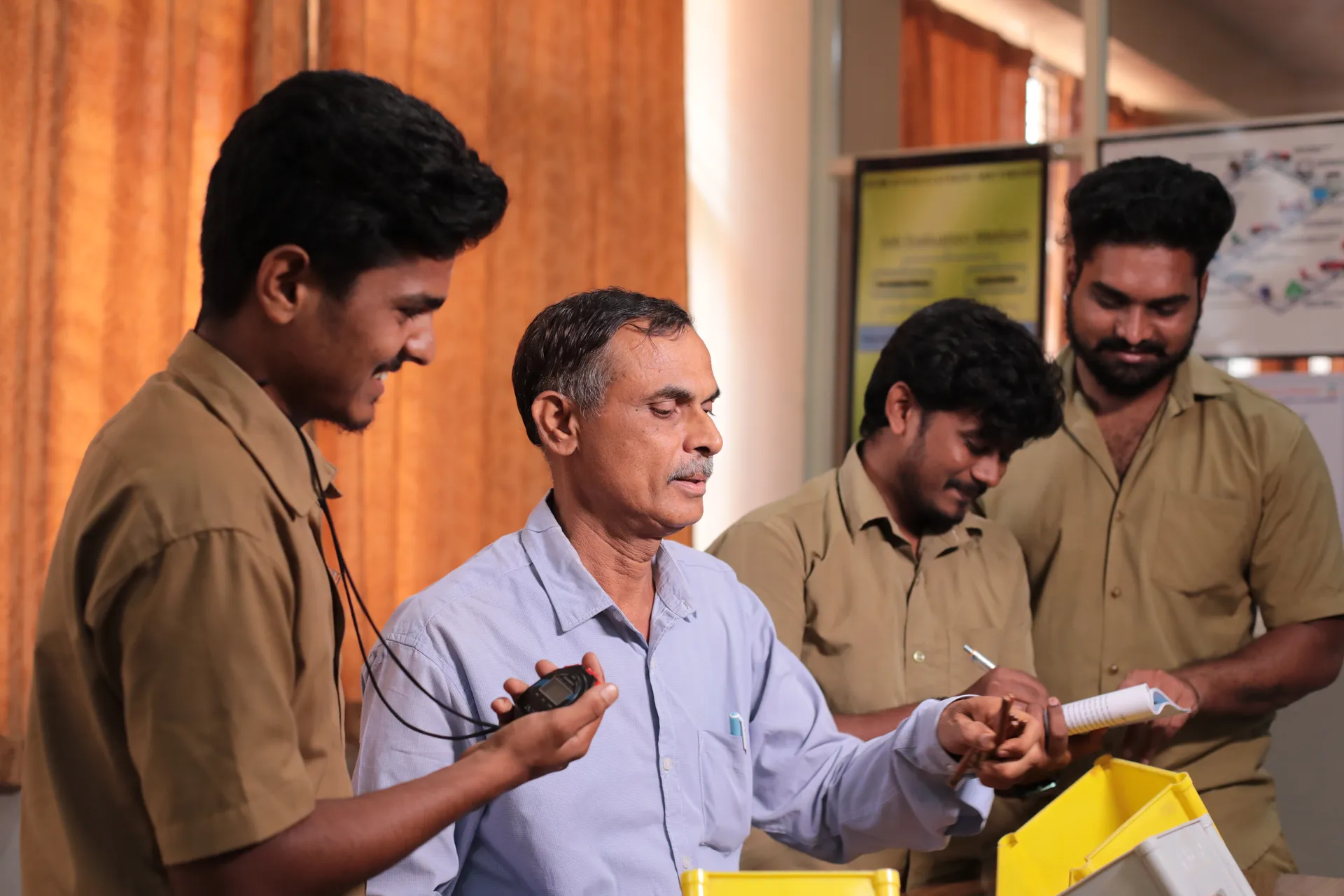
The Department of Electrical & Electronics Engineering at Siddaganga Institute of Technology (SIT) has been a key pillar of the institute since its establishment. Over the years, the department has grown into a center of excellence in electrical engineering, power systems, power electronics, composits for electrical applications, electric vehicles and embedded systems, providing students with a strong theoretical foundation and hands-on practical exposure. The department is recognized for its quality education, research contributions, and industry collaborations.
Program Details
Undergraduate Program:
- B.E. in Electrical & Electronics Engineering
Duration: 4 Years
Focuses on core areas such as electrical circuits, power systems, control systems, embedded systems, power electronics, and renewable energy technologies.
Ph.D.
- The department also offers Ph.D. programs in various research areas such as power systems, power electronics, electric vehicles & drives, smart grid, composits for electrical & electronics applications.
Vision & Mission
Vision
“To be the premier center for education and research in Electrical and Electronics Engineering and to produce globally competent engineers with ethical values.”
Mission
Develop as a center of Excellence for Electrical and Electronics Engineering education by providing the state-of –the-art infrastructure, industry relevant curriculum and effective teaching learning process.
Contribute to the development of nation by pursuing research and development in the thrust areas of Electrical and Electronics Engineering such as Power Systems, Electrical Machines, Power Electronics and Renewable Energy Systems.
Enable graduates to be professionally competent with strong ethical values.
Student Life & Activities
Robotics Club – Organizes technical talks, hackathons, and industry visits.
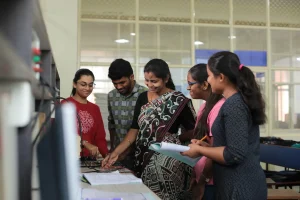
Workshops & Seminars – The department regularly hosts sessions on emerging technologies like IoT, AI in power systems, and smart grids.
Project Exhibitions – Encourages students to showcase innovative electrical & electronics engineering, simulation solutions.
- Technisium – Collabrative event with all electrical science branches
Infrastructure & Facilities
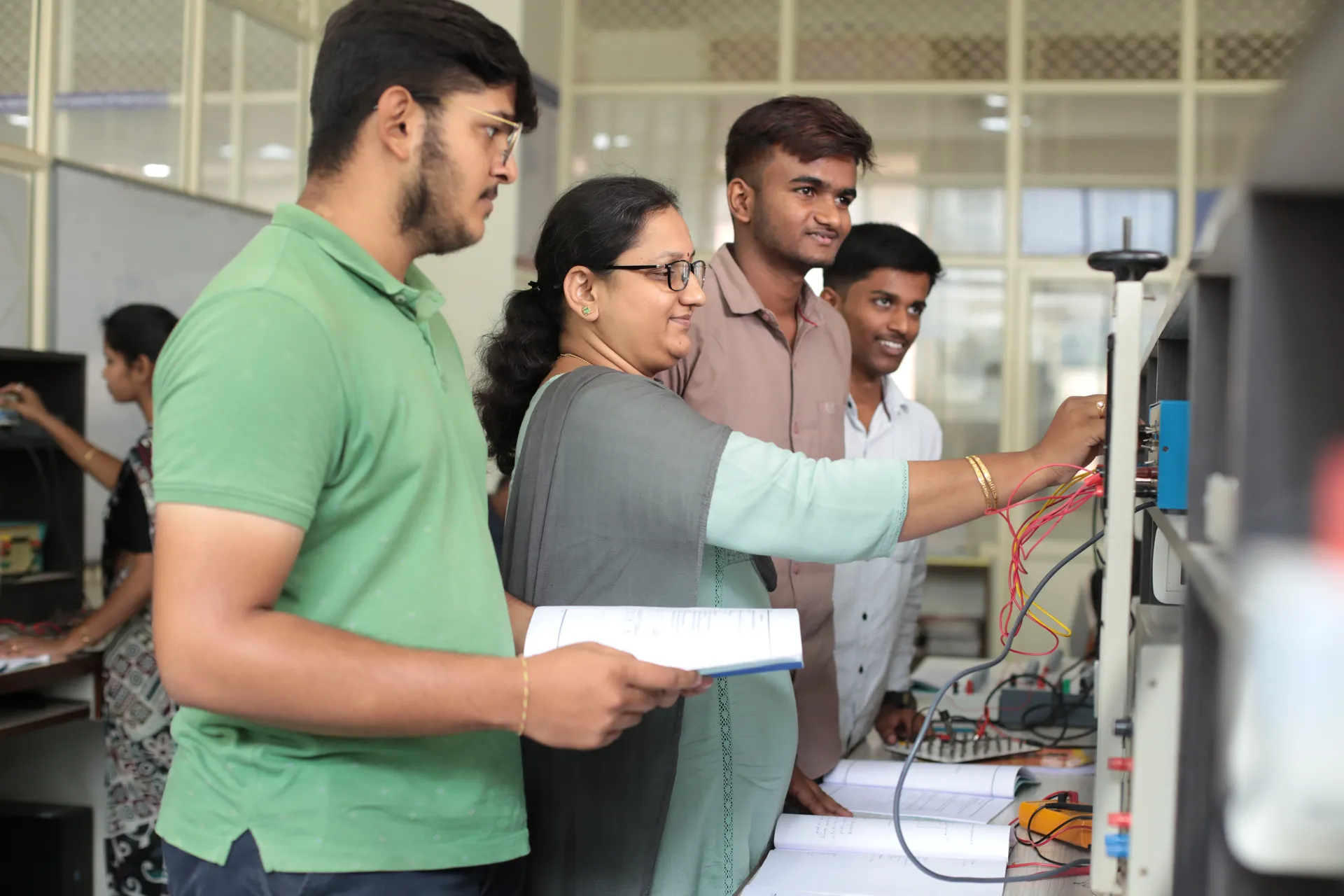
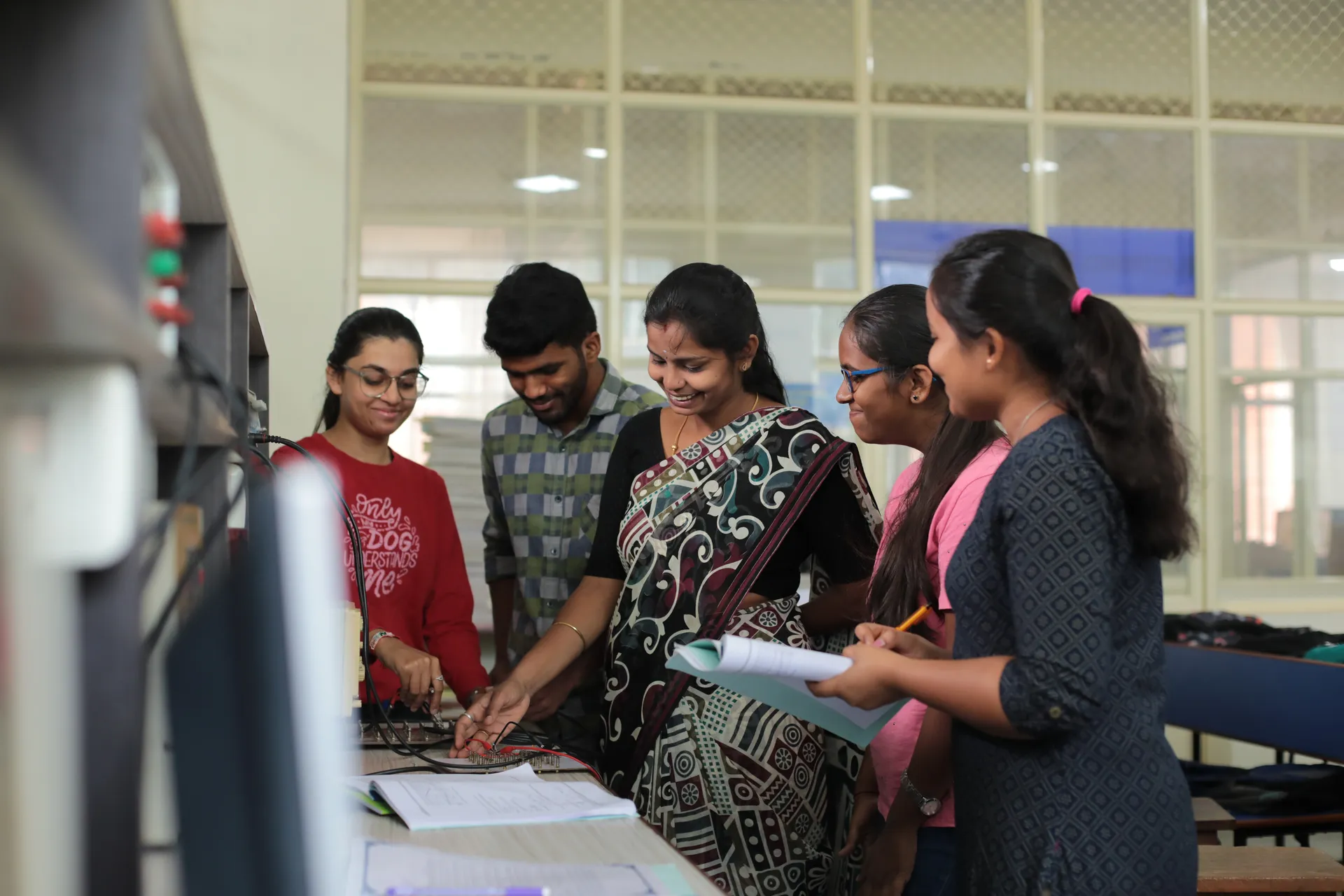
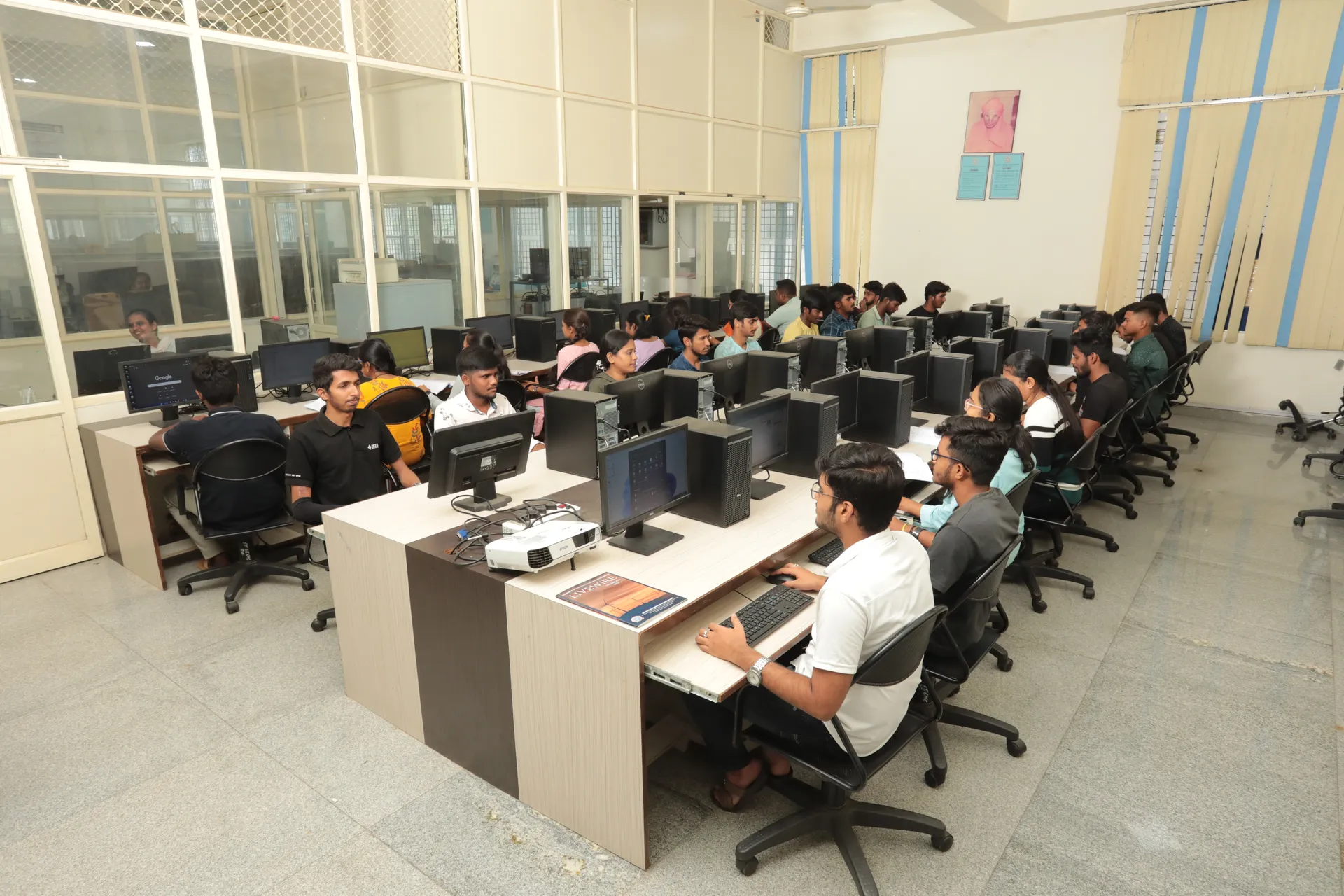
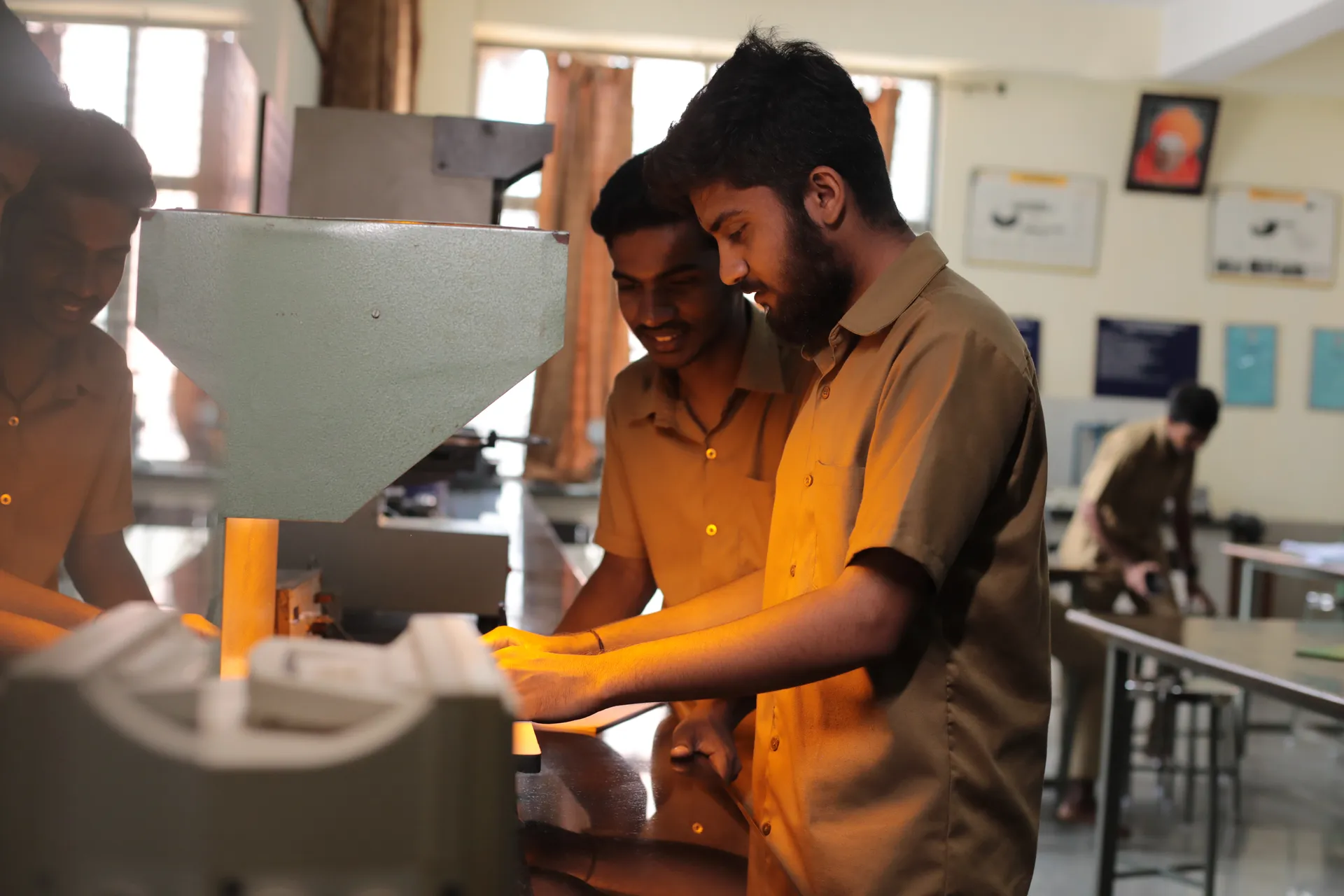
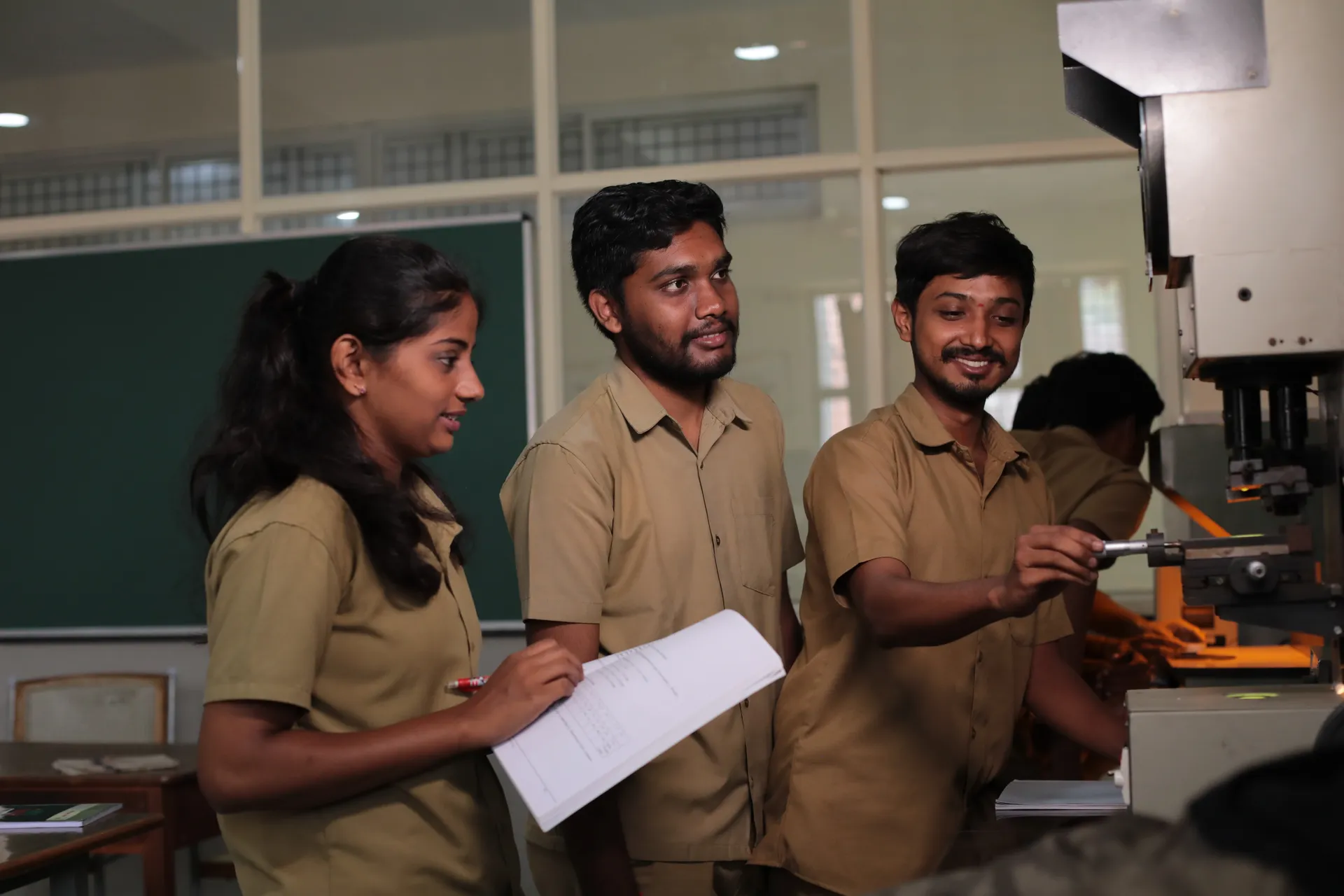
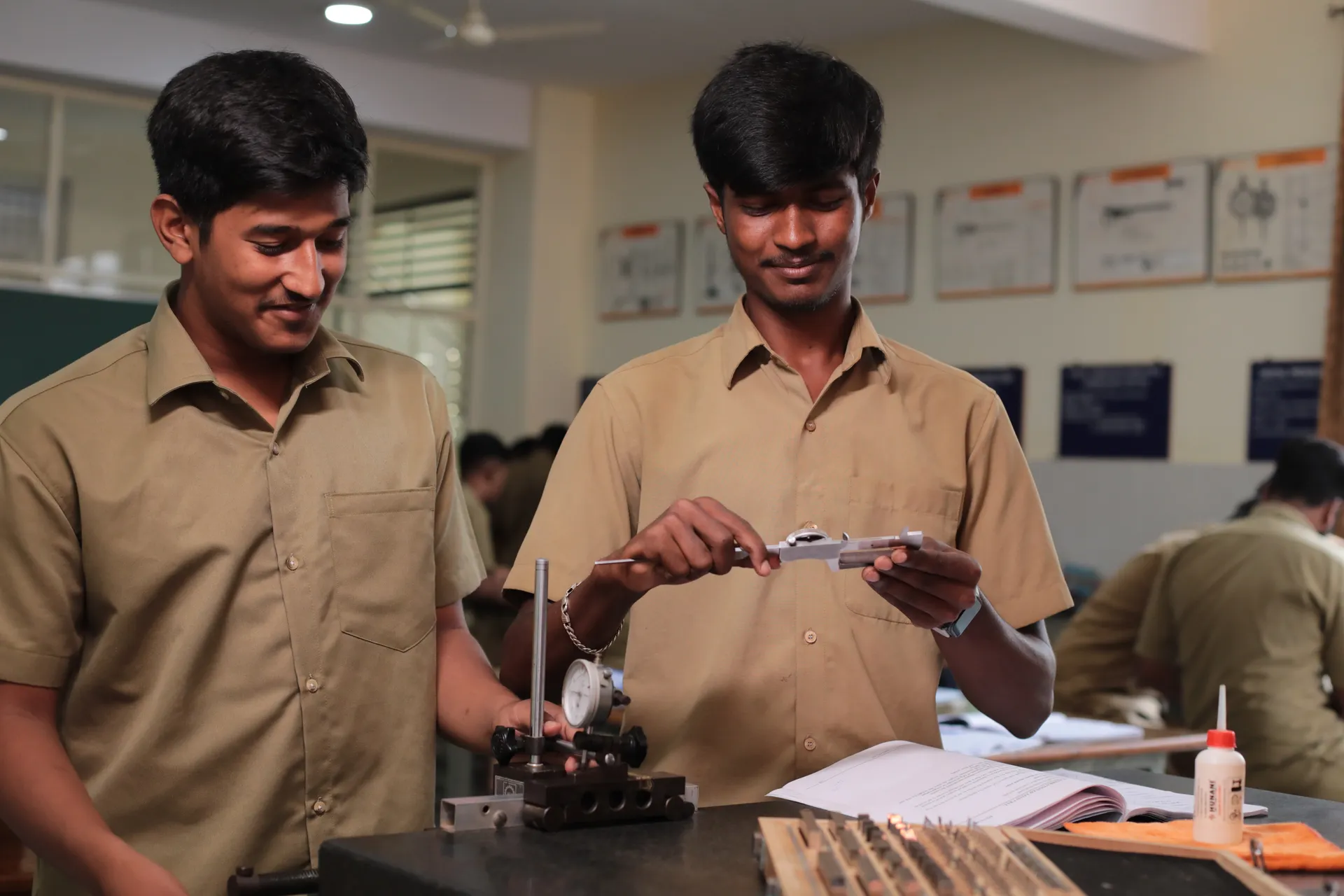
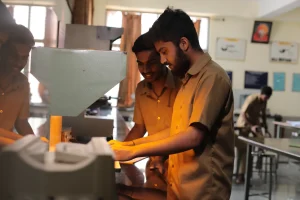
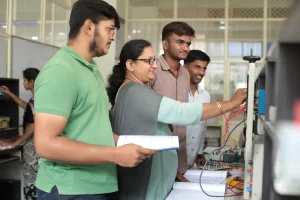
The Electrical & Electronics Engineering Department is equipped with state-of-the-art laboratories and research facilities:
Laboratories:
Power Electronics & Drives Lab – Focused on motor drives, inverters, and energy-efficient control systems.
High Voltage & Insulation Lab – Equipped for testing electrical insulation and high-voltage equipment.
Electrical Machines Lab – Provides training in motors, generators, and transformers.
Research Labs:
Renewable Energy Research Lab – Works on solar, wind, and hybrid power generation systems.
Composites Lab – Focuses on electrical fabrication of nano composites and thermal characterization of fabricated nano composites.
Faculty
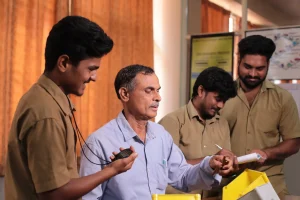
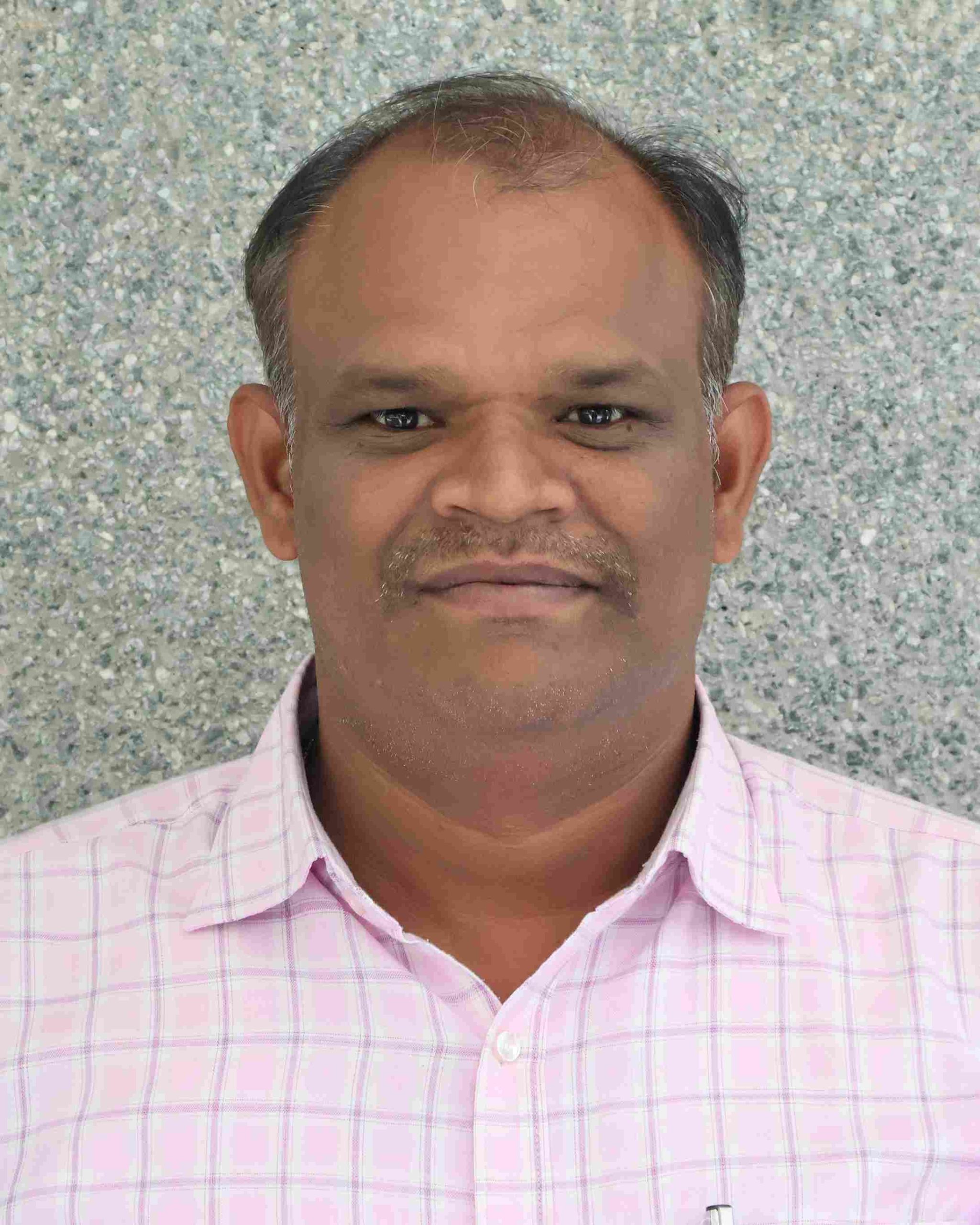
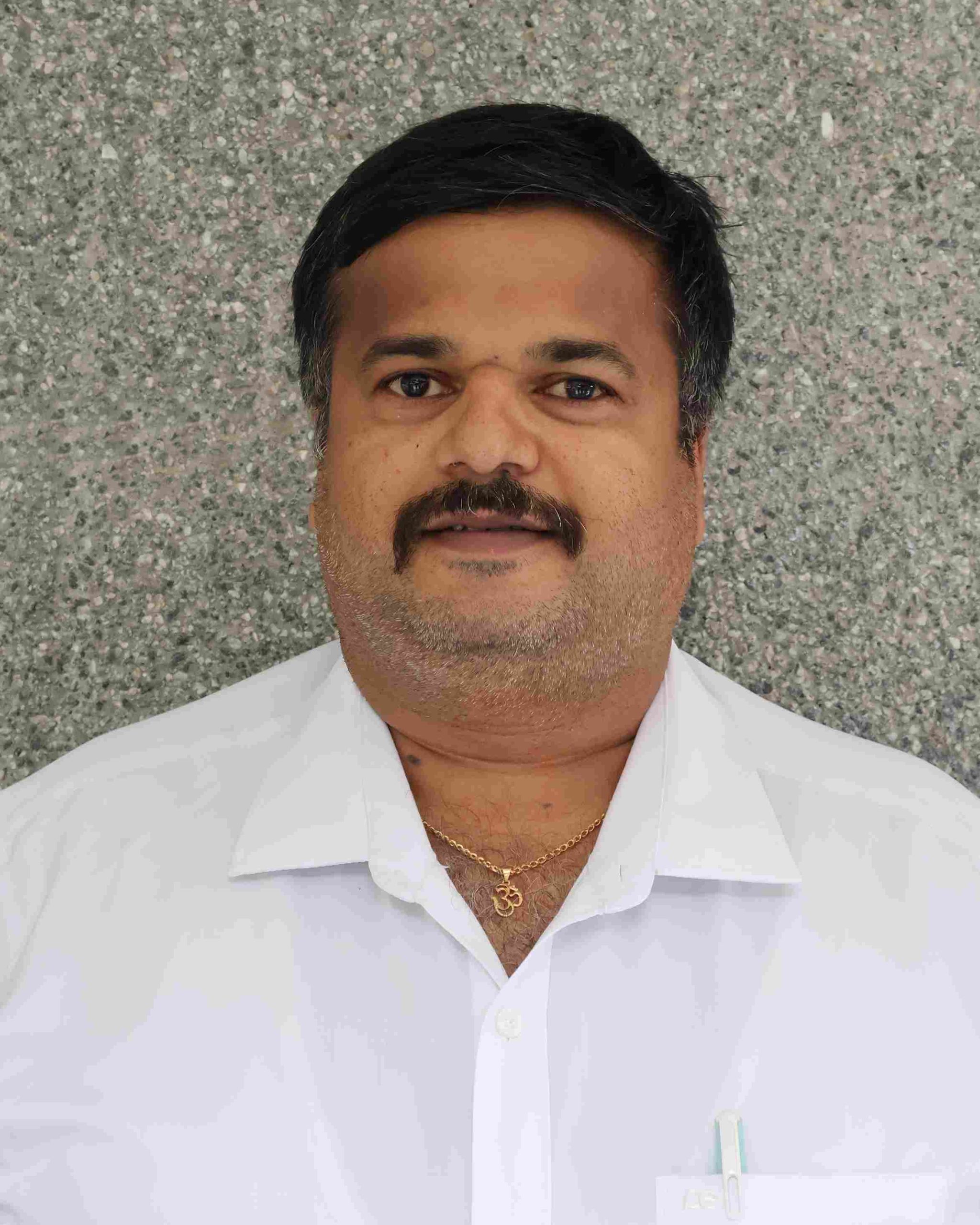
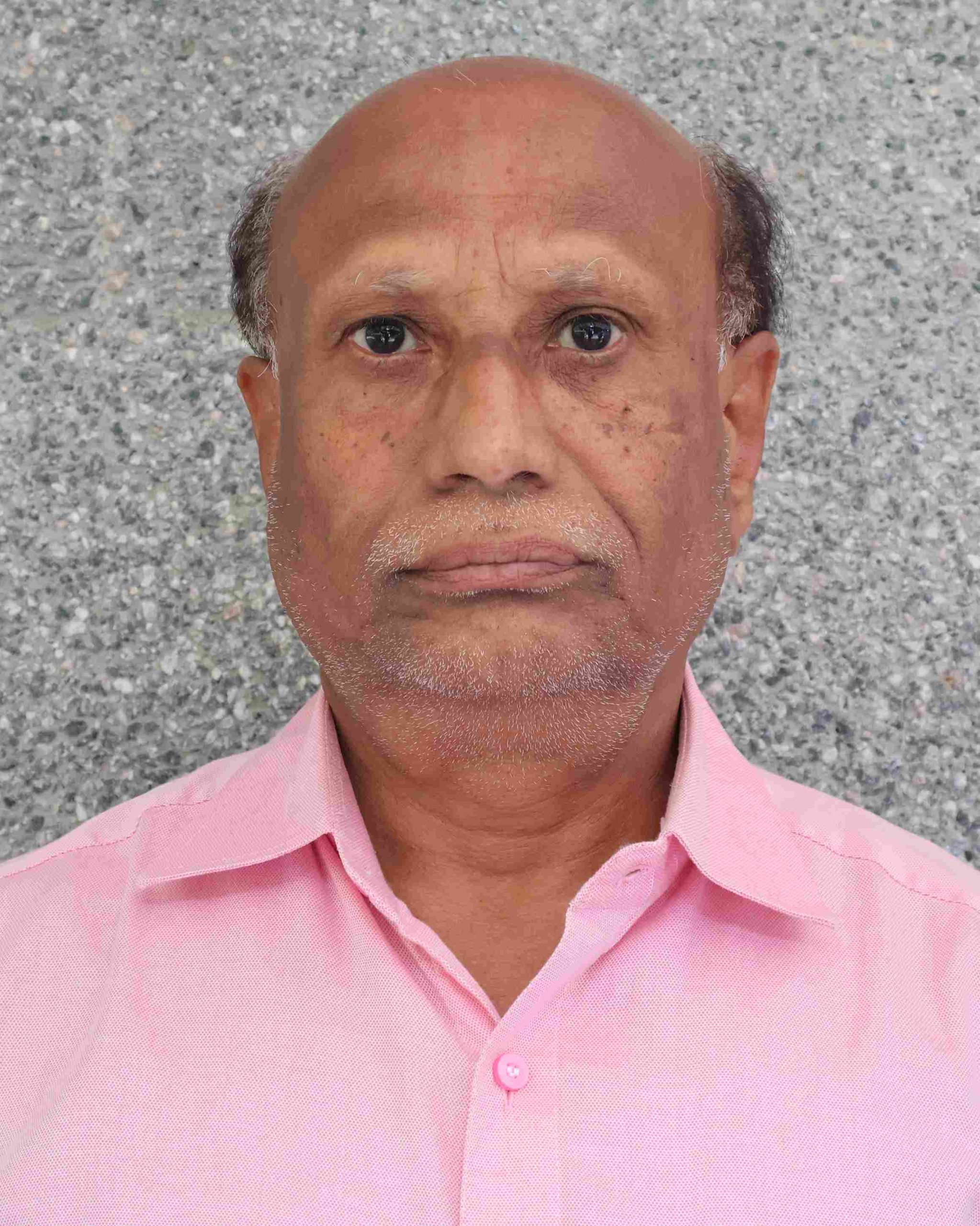
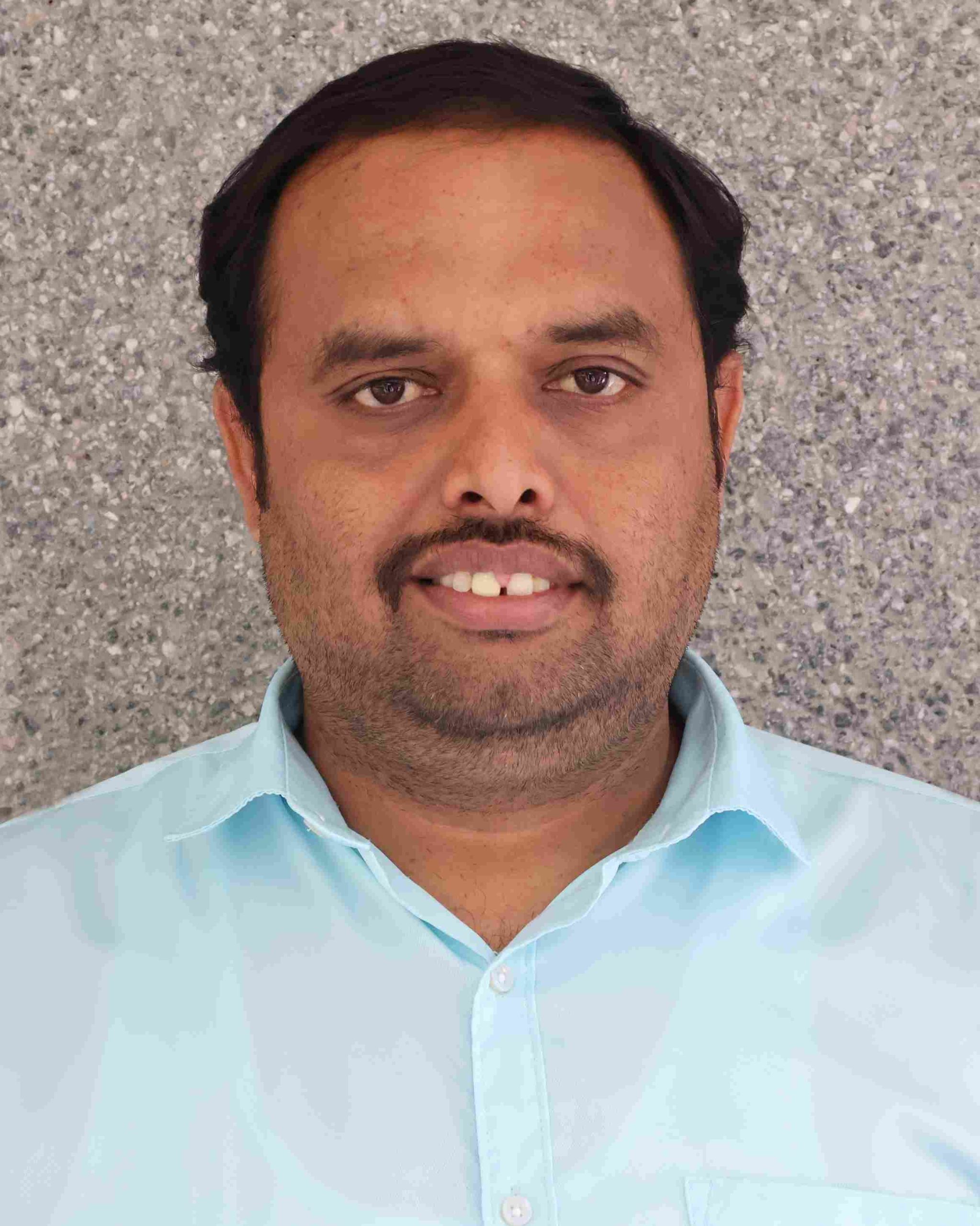
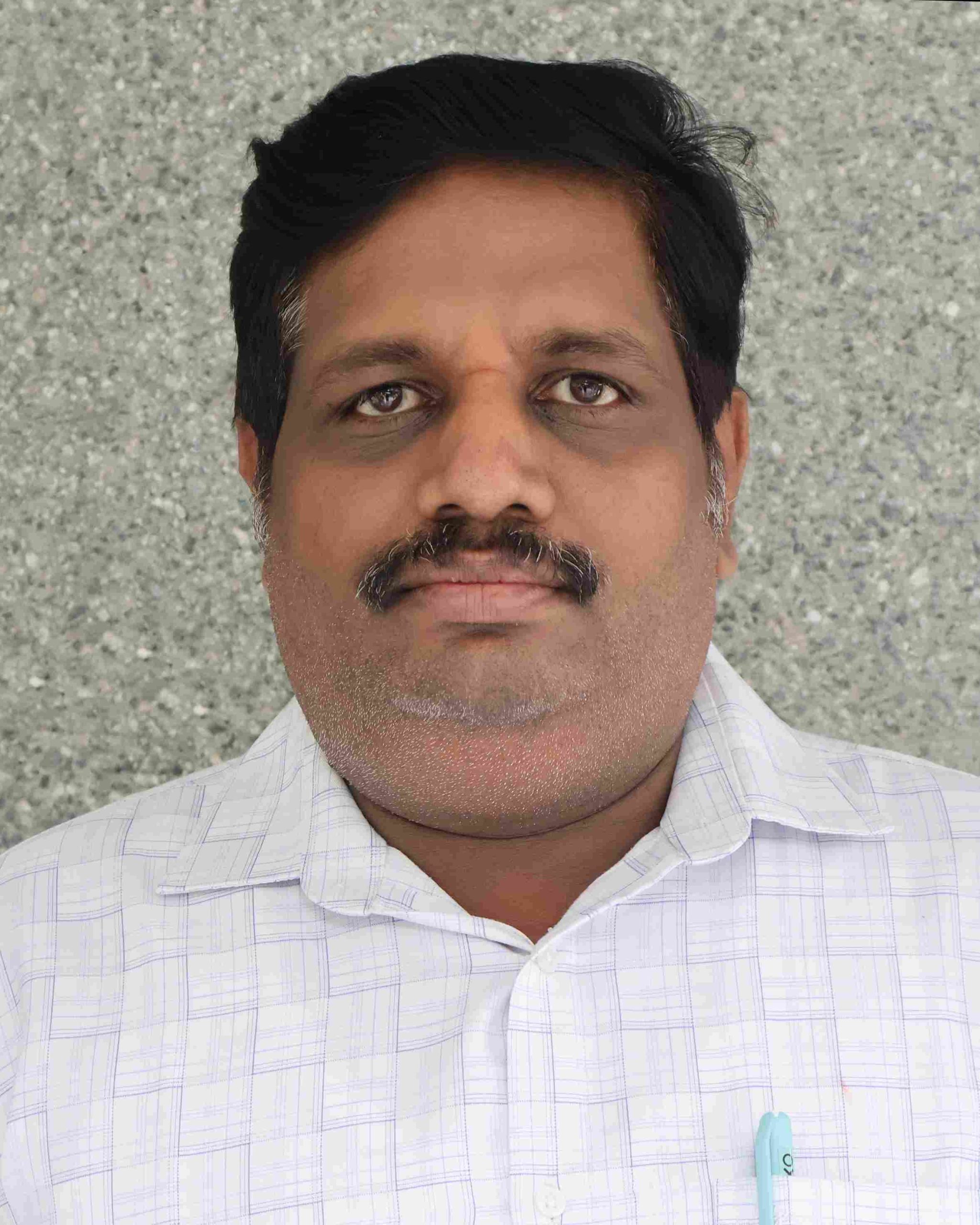
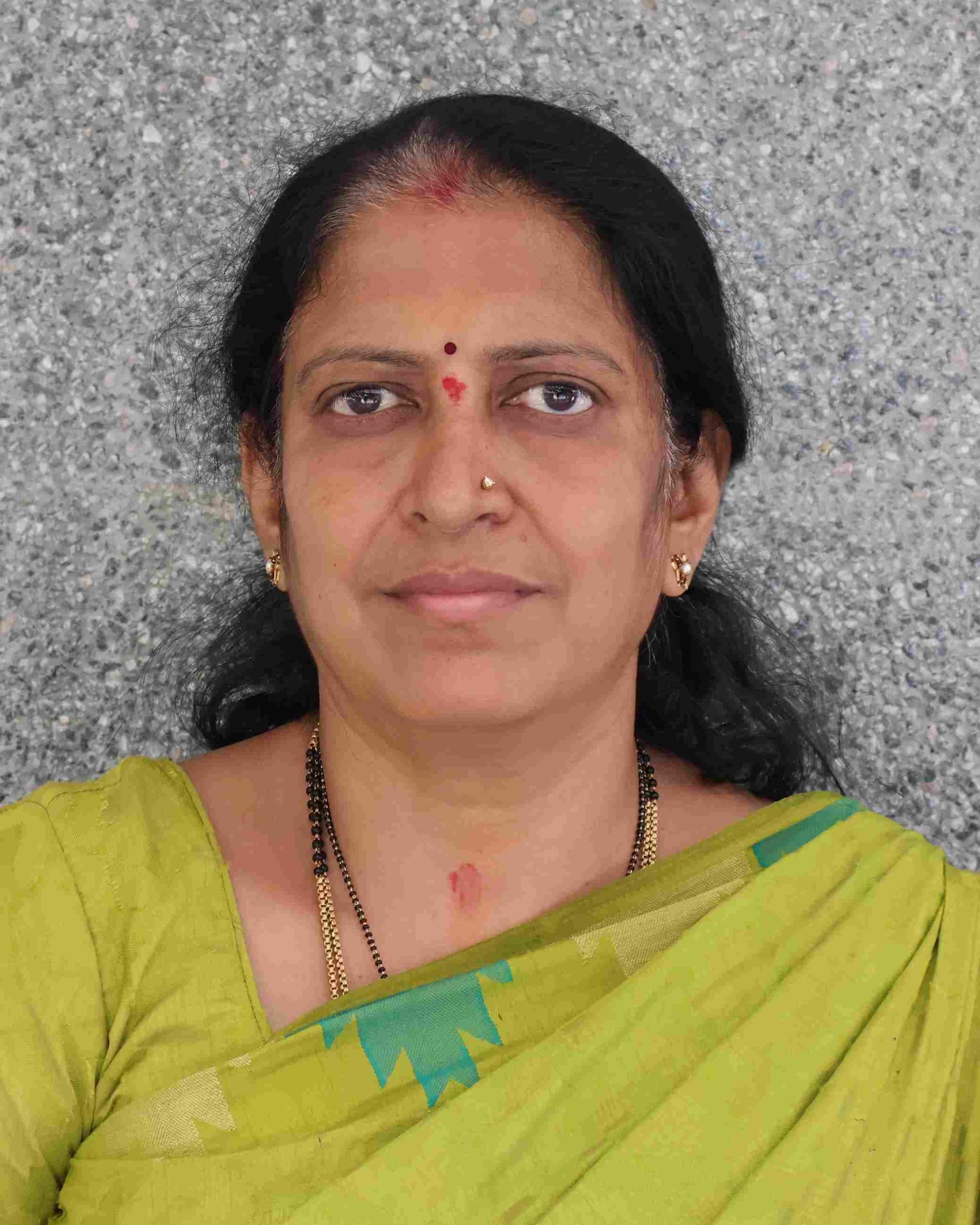
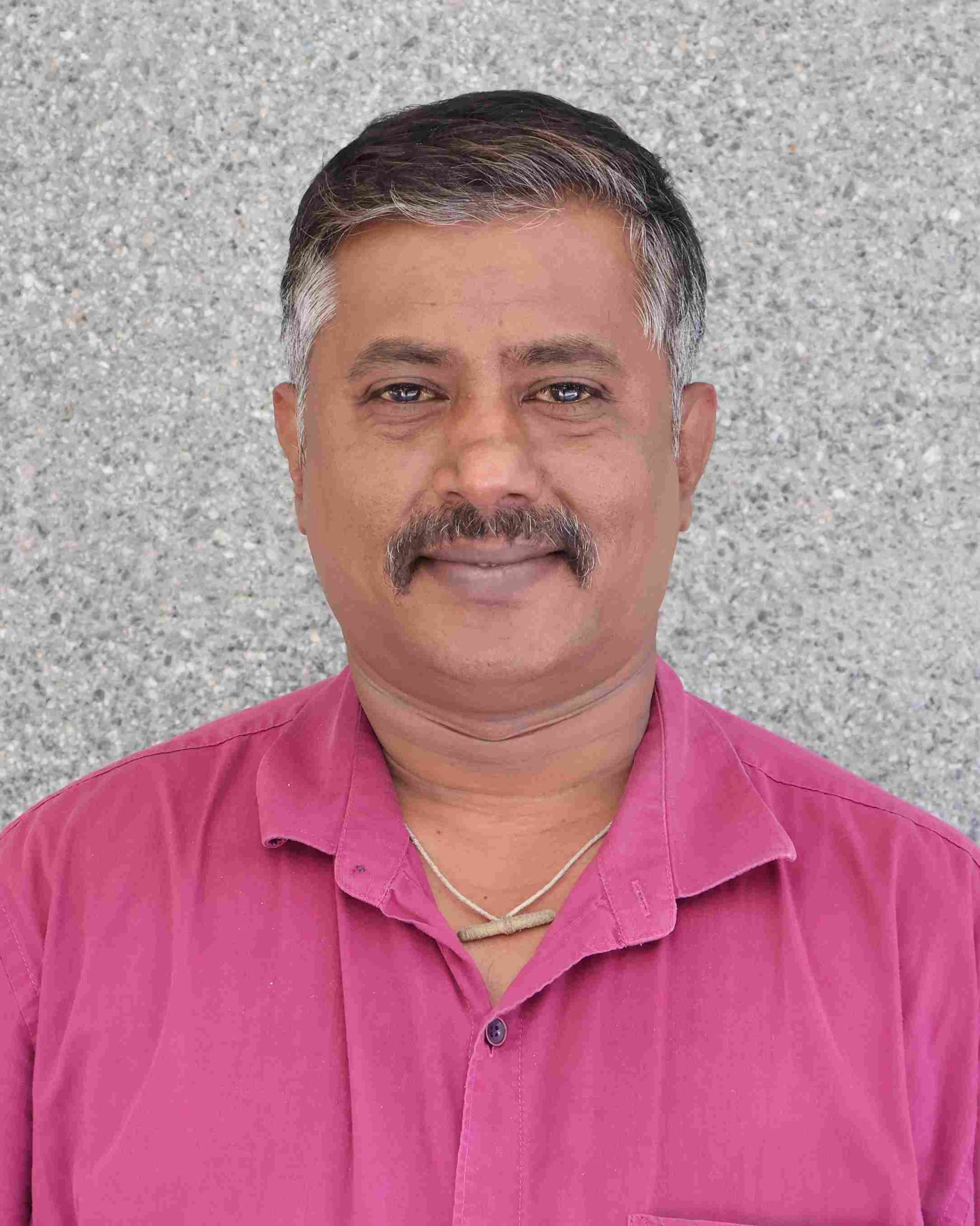
The department has highly qualified and experienced faculty members specializing in power systems, electrical machines, control systems, IoT, and embedded systems. Faculty members actively engage in research, consultancy projects, and industrial collaborations.

Academic Programs & Syllabus
Undergraduate Program:
- B.E. in Electrical & Electronics Engineering
Duration: 4 Years
The B.E. program provides students with a strong foundation in electrical circuits, power systems, control systems, power electronics, embedded systems, and renewable energy technologies, preparing them for successful careers in core electrical industries, automation, and interdisciplinary fields.
- B.E. in Electrical & Electronics Engineering
Ph.D.
- The department also offers Ph.D. programs in various research areas such as power systems, power electronics, electric vehicles & drives, smart grid, composits for electrical & electronics applications.
Syllabus
Program Educational Objectives (PEOs) - UG
Graduates of the Electrical & Electronics Engineering program will:
Pursuing successful career in the Electrical and Electronics Engineering and allied fields and opt for higher studies, research and to be an entrepreneur.
Designing solutions to Power System Engineering, Electrical Machines, Power Electronics and Renewable Energy Systems for specific industry applications and real-life problems using broad engineering knowledge.
Demonstrating professionalism, Ethical behavior and lifelong learning.
Program Outcomes (POs) - UG
Engineering graduates will be able to
PO1: Engineering Knowledge: Apply knowledge of mathematics, natural science, computing, engineering fundamentals and an engineering specialization as specified in WK1 to WK4 respectively to develop to the solution of complex engineering problems.
PO2: Problem Analysis: Identify, formulate, review research literature and analyse complex engineering problems reaching substantiated conclusions with consideration for sustainable development. (WK1 to WK4)
PO3: Design/Development of Solutions: Design creative solutions for complex engineering problems and design/develop systems/components/processes to meet identified needs with consideration for the public health and safety, whole-life cost, net zero carbon, culture, society and environment as required. (WK5)
PO4: Conduct Investigations of Complex Problems: Conduct investigations of complex engineering problems using research-based knowledge including design of experiments, modelling, analysis & interpretation of data to provide valid conclusions. (WK8).
PO5: Engineering Tool Usage: Create, select and apply appropriate techniques, resources and modern engineering & IT tools, including prediction and modelling recognizing their limitations to solve complex engineering problems. (WK2 and WK6)
PO6: The Engineer and The World: Analyze and evaluate societal and environmental aspects while solving complex engineering problems for its impact on sustainability with reference to economy, health, safety, legal framework, culture and environment. (WK1, WK5, and WK7).
PO7: Ethics: Apply ethical principles and commit to professional ethics, human values, diversity and inclusion; adhere to national & international laws. (WK9)
PO8: Individual and Collaborative Team work: Function effectively as an individual, and as a member or leader in diverse/multi-disciplinary teams.
PO9: Communication: Communicate effectively and inclusively within the engineering community and society at large, such as being able to comprehend and write effective reports and design documentation, make effective presentations considering cultural, language, and learning differences.
PO10: Project Management and Finance: Apply knowledge and understanding of engineering management principles and economic decision-making and apply these to one’s own work, as a member and leader in a team, and to manage projects and in multidisciplinary environments.
PO11: Life-Long Learning: Recognize the need for, and have the preparation and ability for i) independent and life-long learning ii) adaptability to new and emerging technologies and iii) critical thinking in the broadest context of technological change. (WK8)
Industry Collaboration & Placement
The department has strong industry partnerships, offering students opportunities for internships, projects, and placements in leading companies. Graduates are placed in top organizations such as:
ABB, Schneider Electric, Siemens, Tata Power, L&T, General Electric, Wipro, Infosys, Accenture, and Bosch.
- TMEIC, ALSTOM, Cognizant, TE Connectivity, Delta-Electronics, JSW Steel Ltd, Gogrej, Capgeminie, State street, Texas instruments, Accentere, Turner & Townsend, Applied Materials.
Achievements & Recognition
The department has published numerous research papers in reputed national and international journals.
Faculty members have received grants for research projects in Composites for Electrical applications and Electric Vehicles
Over 80% of students secure placements in core and software industries, and 20% pursue higher studies.
The department actively contributes to consultancy services and industry-driven research projects.
Alumni Success
The department offers B.E. in Electrical & Electronics Engineering with admissions through CET, COMED-K, and JEE Mains. For postgraduate programs, candidates can apply based on academic qualifications and research interests. For more details, visit the Admissions Page.
Admissions
The B.E. in Computer Science and Engineering program admits students based on CET, COMED-K, and JEE Mains entrance exam scores. For postgraduate programs, candidates can apply based on their academic qualifications and research interests.